
This is Part 1 of a two-part series on fifteen nights in Croatia. Read the trip summary first if you missed it, or skip ahead to Part 2: Plitvice, Trogir & Split.
Four nights in Dubrovnik, then a ferry out to Korčula for three more — the coastal, island-hopping half of the trip, before we turned inland. This part covers the two of them in full: the cats, the cable car, an entire island of peacocks, a sword dance in a floodlit courtyard, and more cheese than any of us expected to eat at a vineyard.
Dubrovnik: Cats, a Cable Car, and a City on a Postcard
The boys had a mission before we’d even dropped our bags: cats. Dubrovnik’s Old Town turns out to be extremely obliging on this front — they’re on the steps, in the flowerpots, draped over sun-warmed stone walls like they own the place, which at this point they basically do. Somewhere between the third and fourth sighting we ducked into a souvenir shop selling cat magnets, cat postcards, cat everything — that sealed the deal, and the hunt became the whole afternoon.
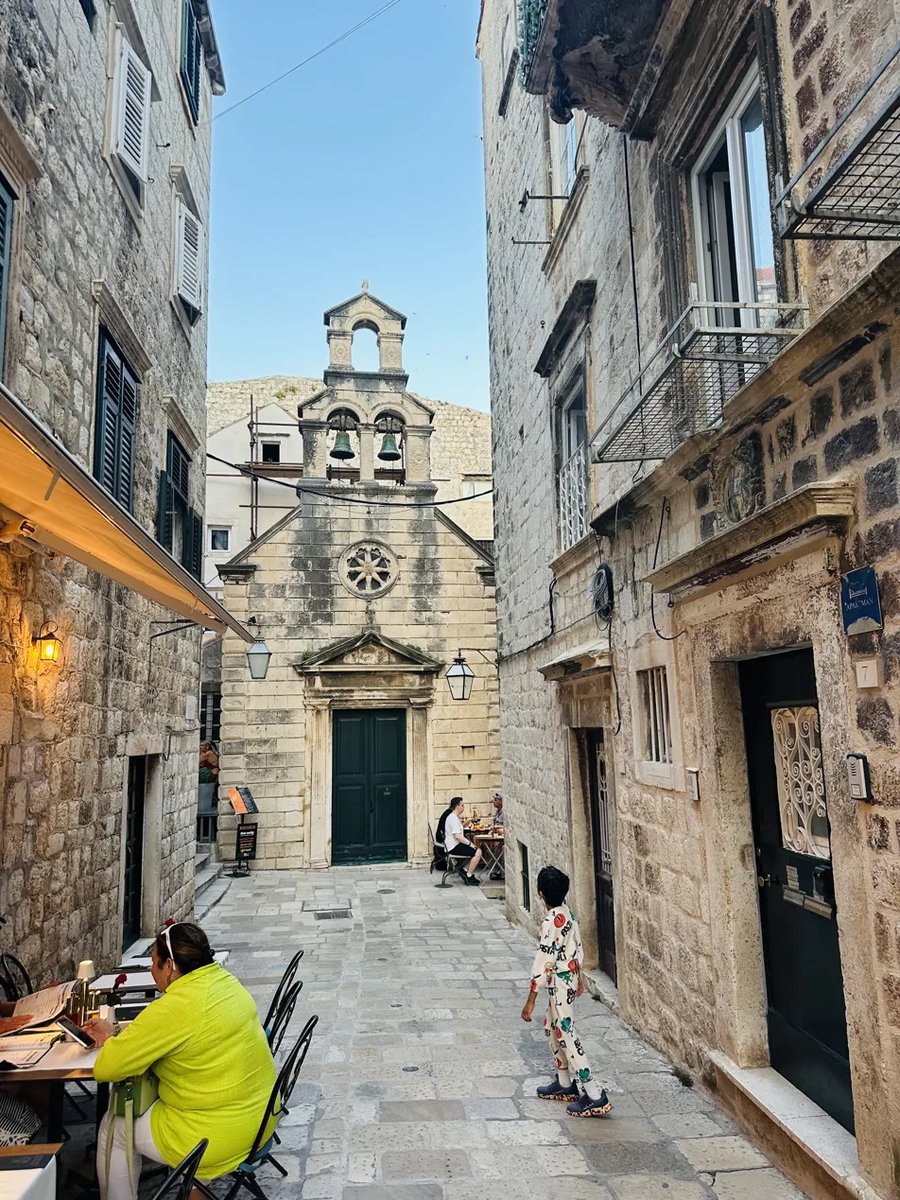
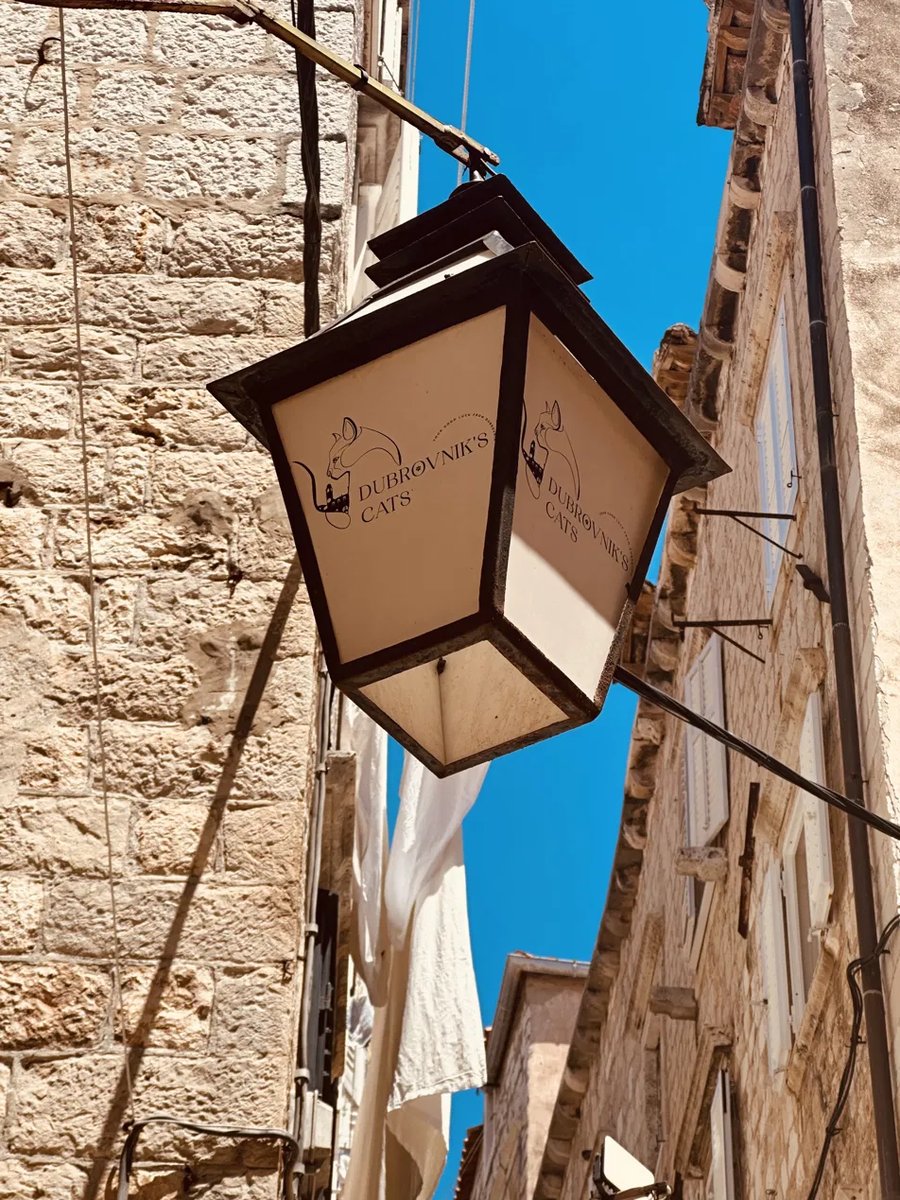
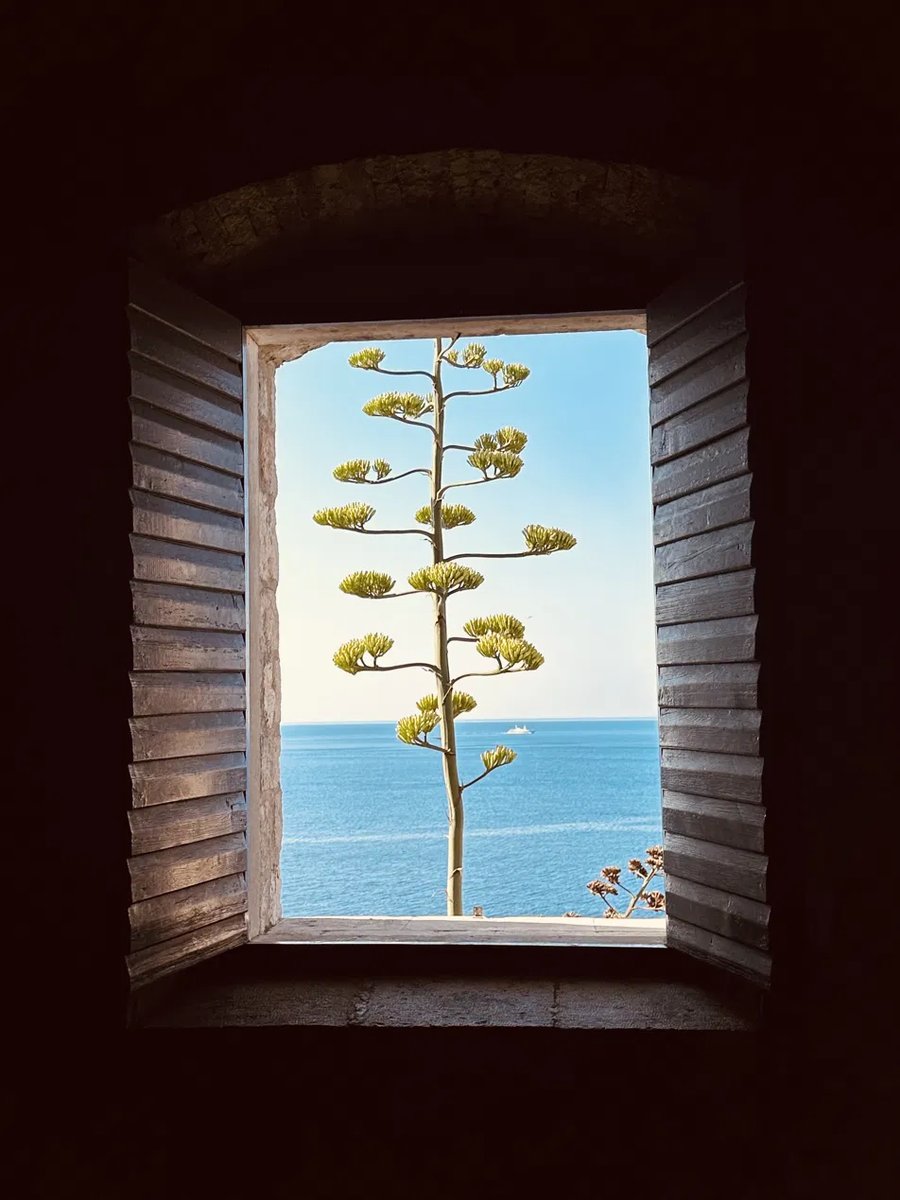
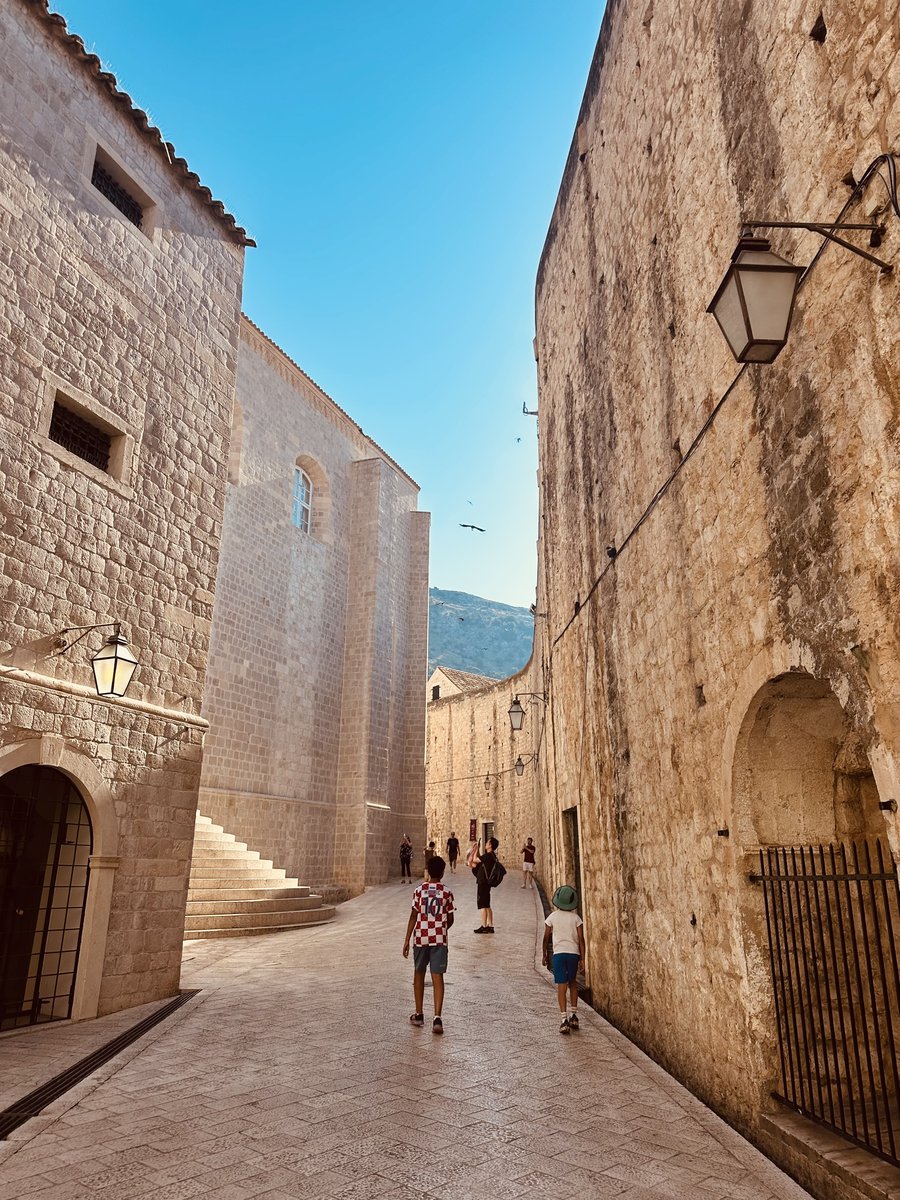
The Old Town itself does most of the work for you — limestone streets polished to a shine by a few centuries of foot traffic, laundry strung between buildings, a church facade around every second corner. We let the boys lead for a while, which mostly meant more cats and fewer landmarks, and it turned out to be exactly how a first afternoon should go.
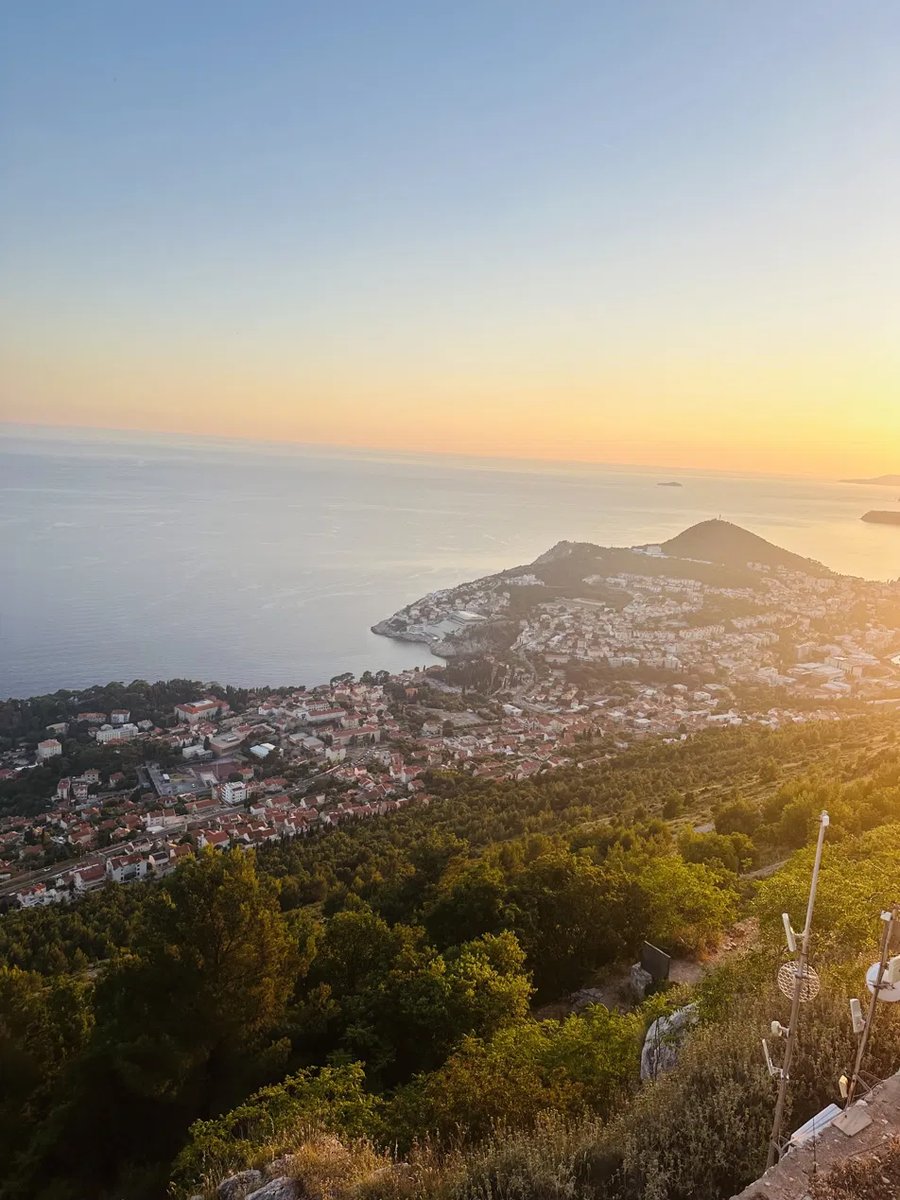
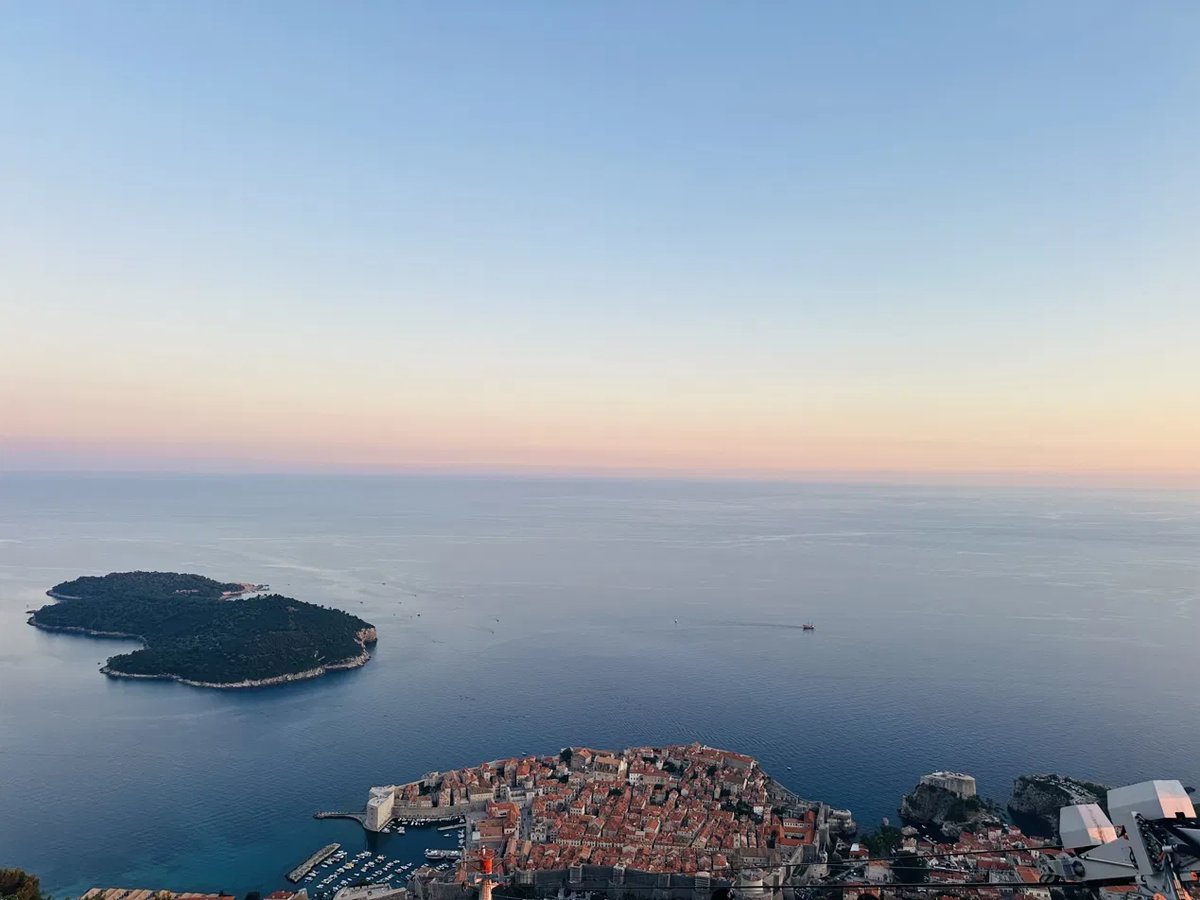
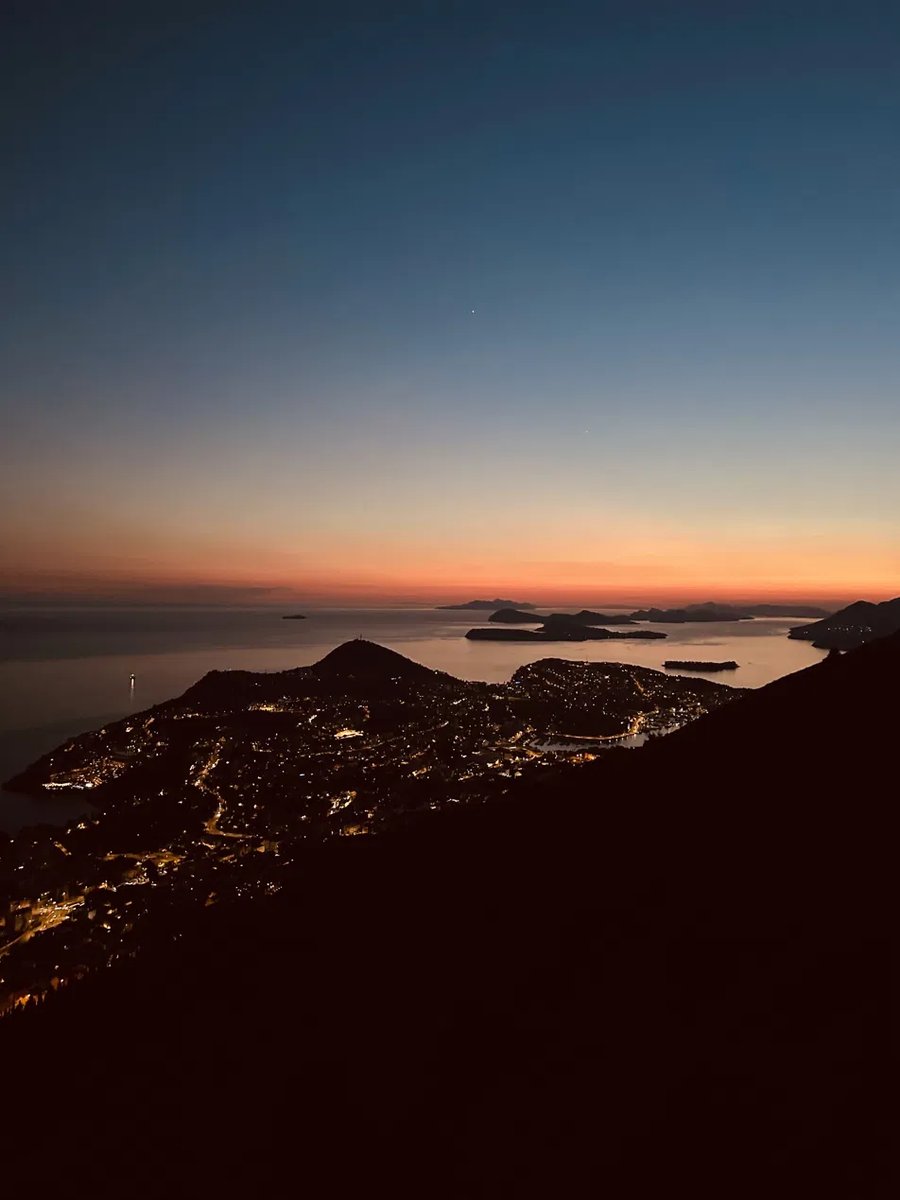
In the evening, the cable car up to Srđ — a few minutes of climbing that trades the Old Town’s density for the whole peninsula laid out below, mountains behind, the Adriatic doing its late-day gold-and-blue thing in front. We stayed until the color really committed, then a while longer for blue hour, watching the lights of the walled city come up one by one below the fort.
Back down after the cable car, we were treated to a delicious dinner of sea bass filet, grilled vegetables, and rice flavored with butter, plus a basket of savory bread we scarfed down with olive oil and balsamic vinegar. Salil enjoyed his Hawaiian pizza — without the sausage.
Lokrum: A Day for Peacocks
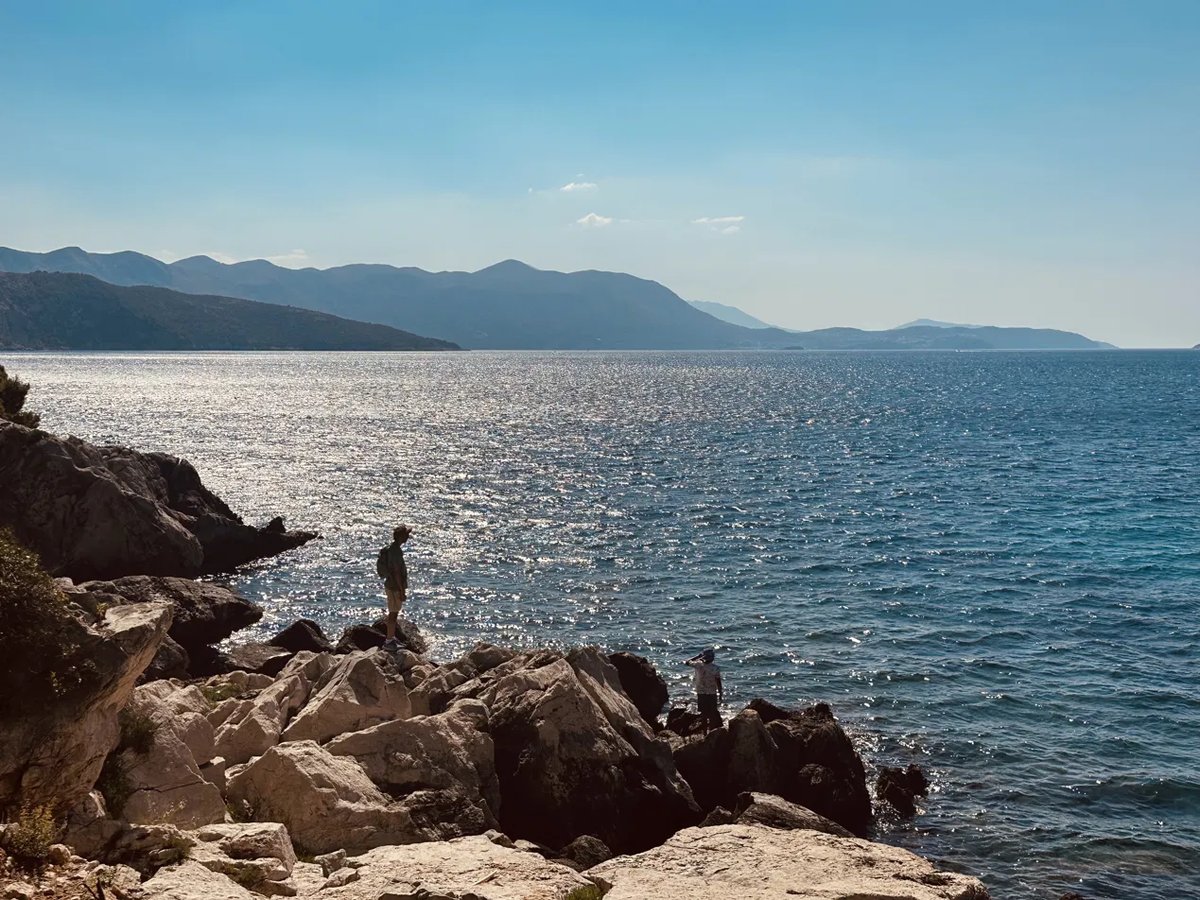
Next was Lokrum, the small forested island just offshore, and we made the first ferry out — early enough that we had the paths mostly to ourselves by 9:15am. The boys took over navigating from there, which meant a route heavy on rock-scrambling and fortress-climbing and light on anything resembling a straight line.
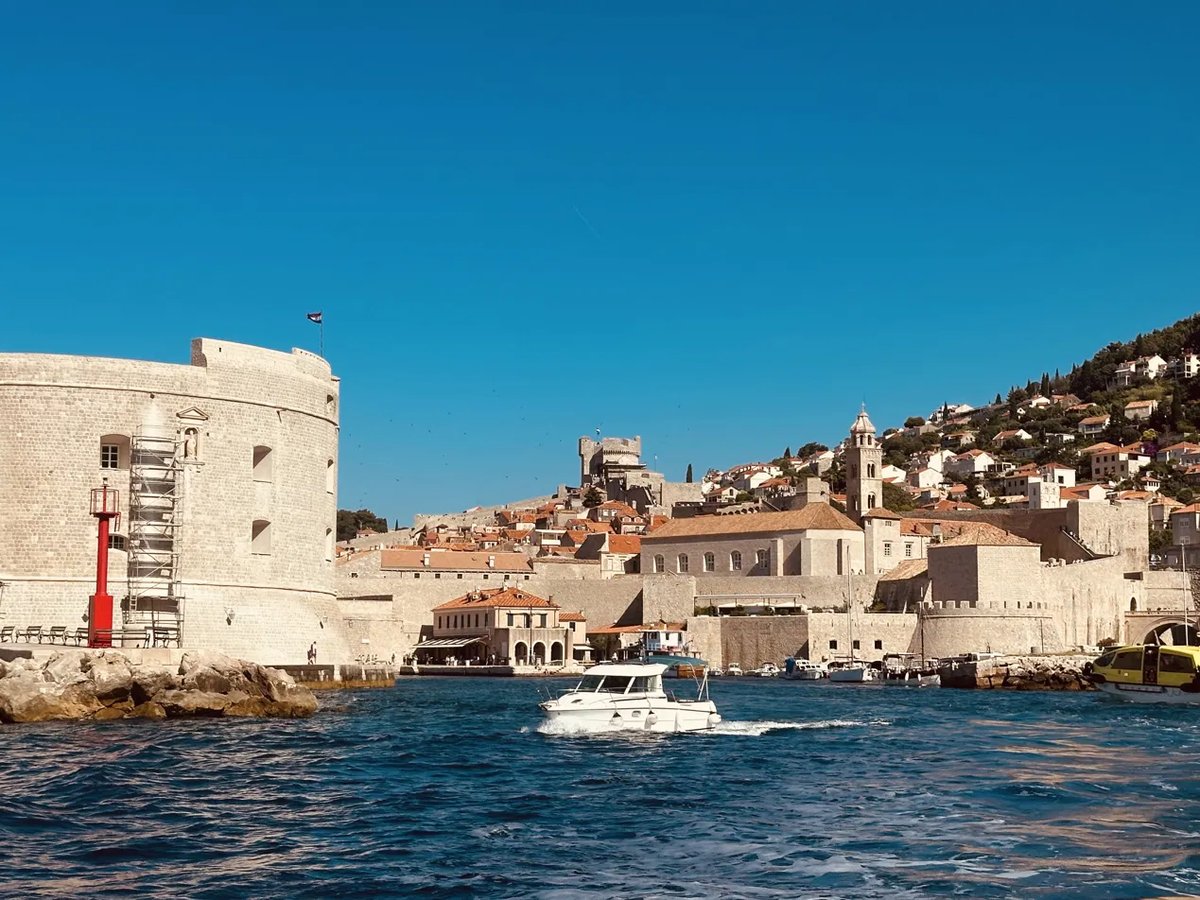
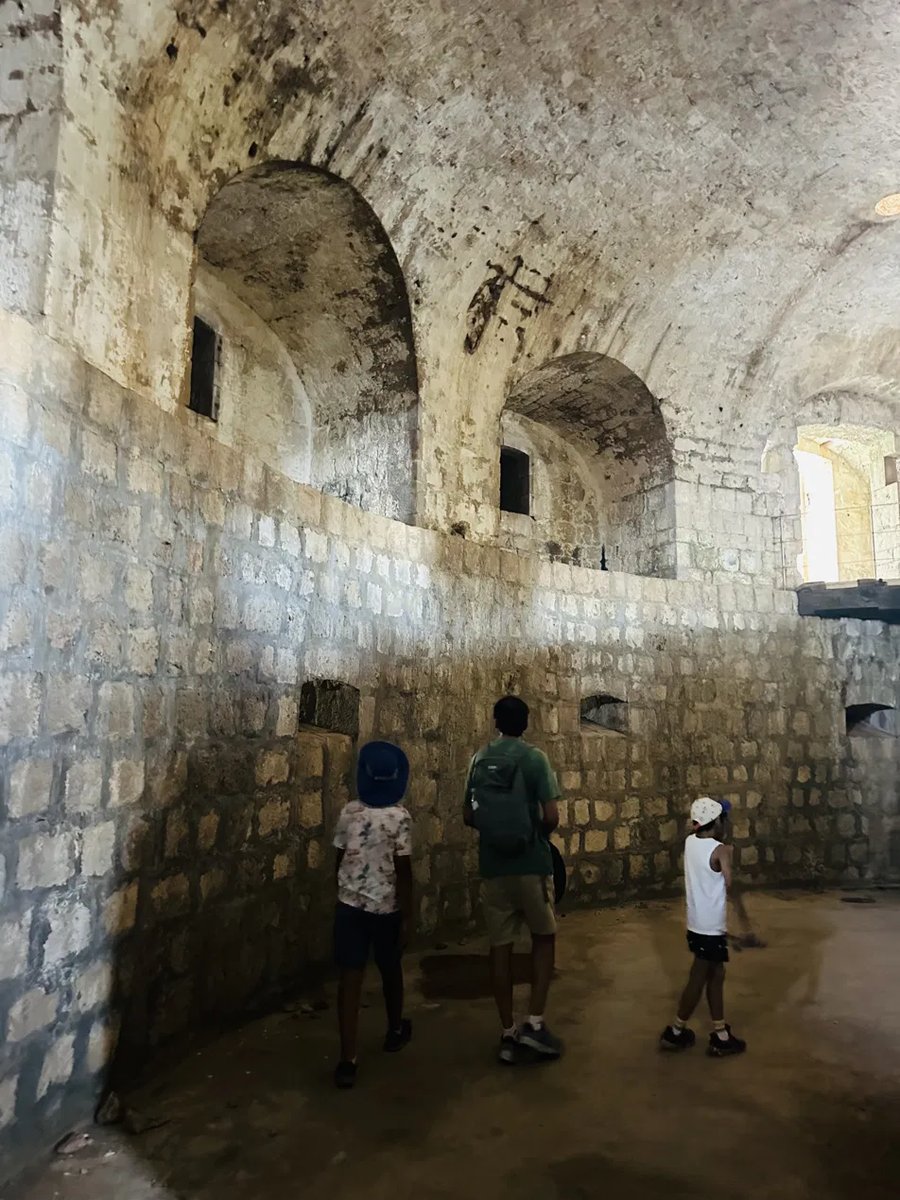
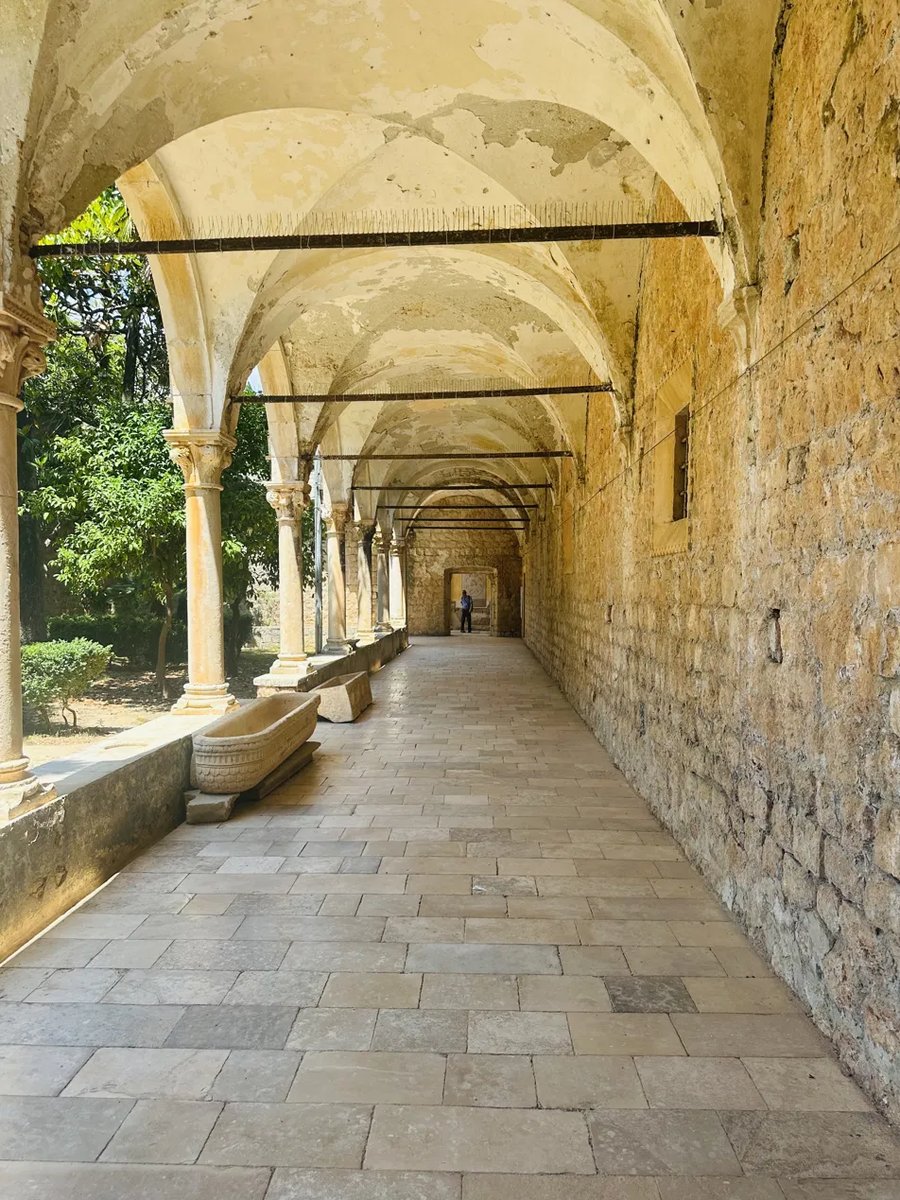
Fort Royal, up on the island’s high point, comes with views back toward Dubrovnik’s walls, and that day, a couple of enormous cruise ships anchored offshore, which sparked a solid ten minutes of debate about how exactly a rescue boat gets lowered into the water. Crane, or a slot in the hull? Nobody was fully satisfied with either theory.
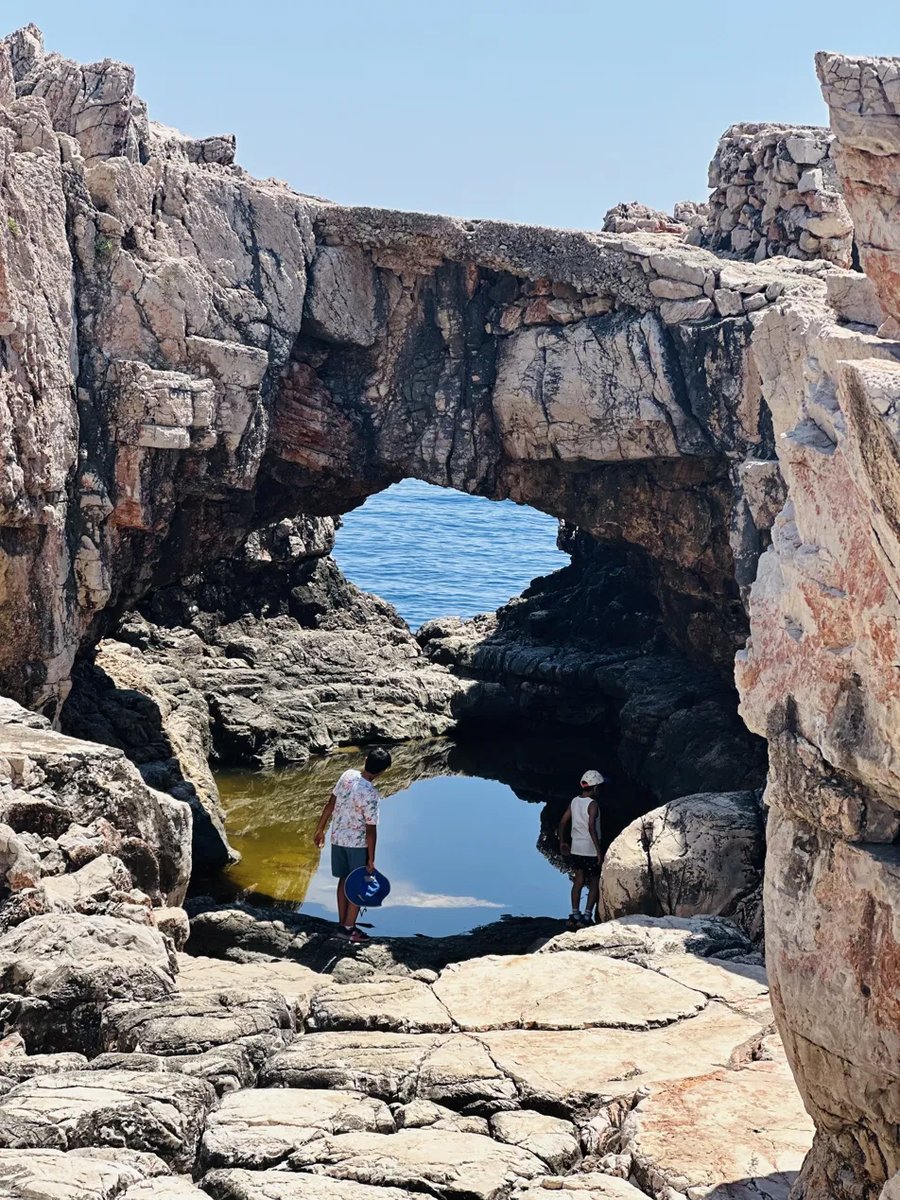
There’s also a striking, near-perfectly round saltwater pool built into the rock that everyone calls the Dead Sea — more reservoir than swimming hole, but the kind of thing you stop and stare at anyway.
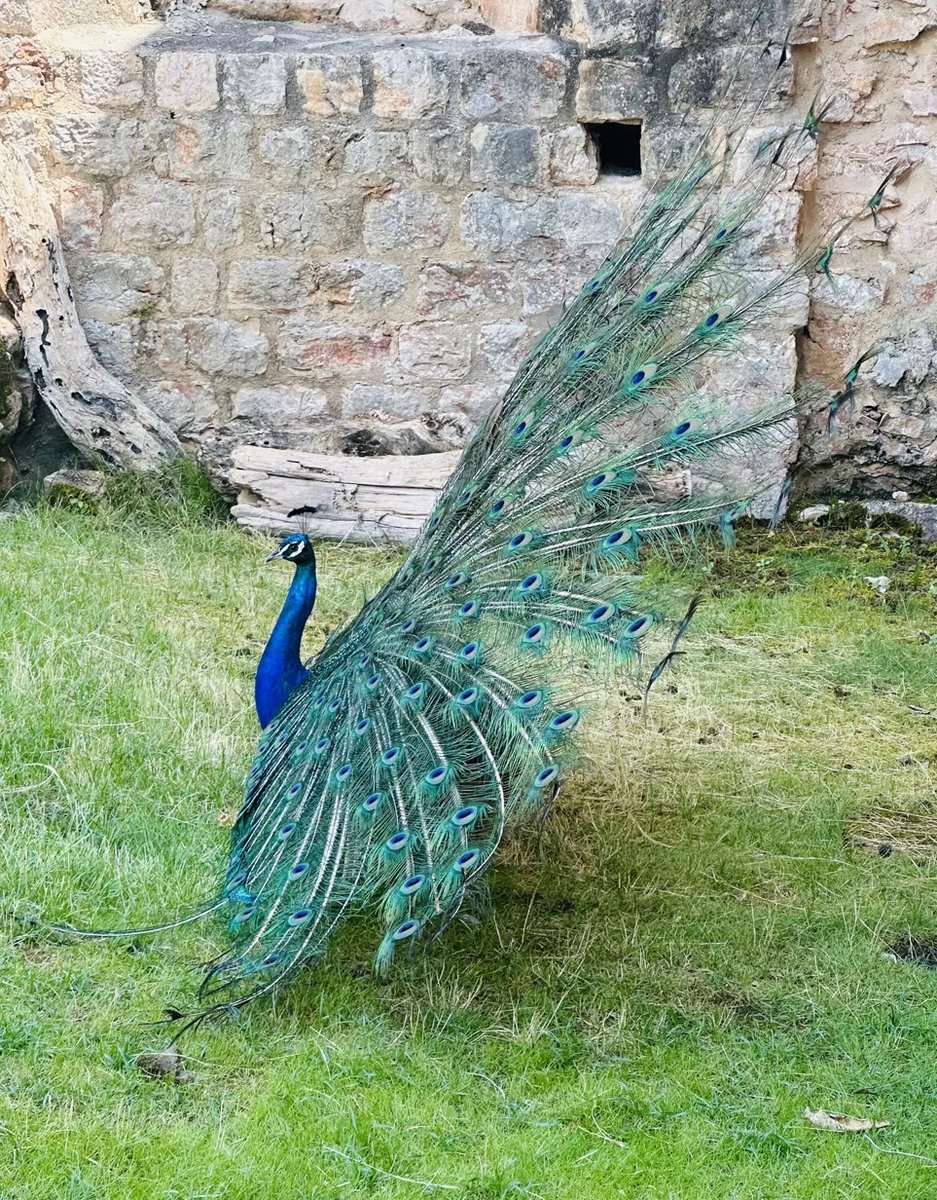
The peacock hunt — Lokrum is famous for them, and they roam freely near the botanical garden — paid off better than expected. We’d almost given up when one appeared, spread its full tail, and danced, which is not something any of us had seen a peacock actually do before. Worth the whole detour.
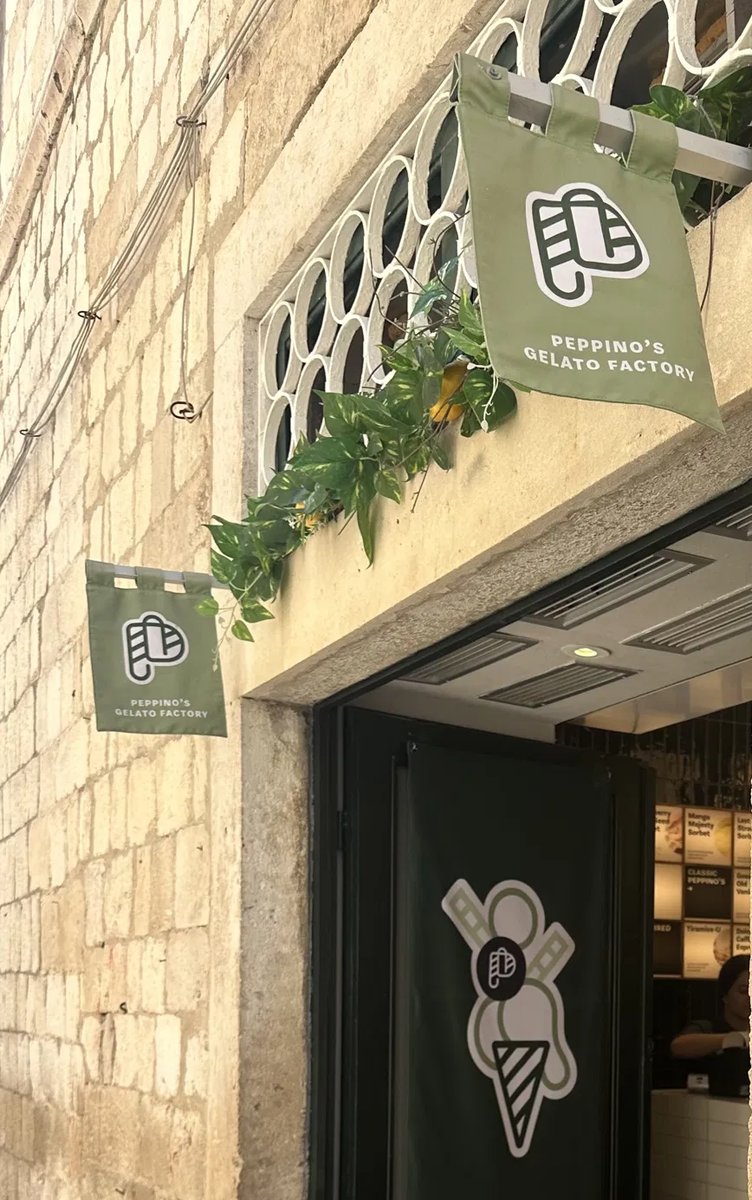
Lunch was soup and salad at Rajski Vrt – Eden Garden Restaurant, the only restaurant on the island: simple, good, exactly what the day needed. A relaxed boat ride back to Dubrovnik and gelato at Peppino’s closed things out. An easy, well-paced day after the first day’s momentum.
The Walls, and an Evening Symphony
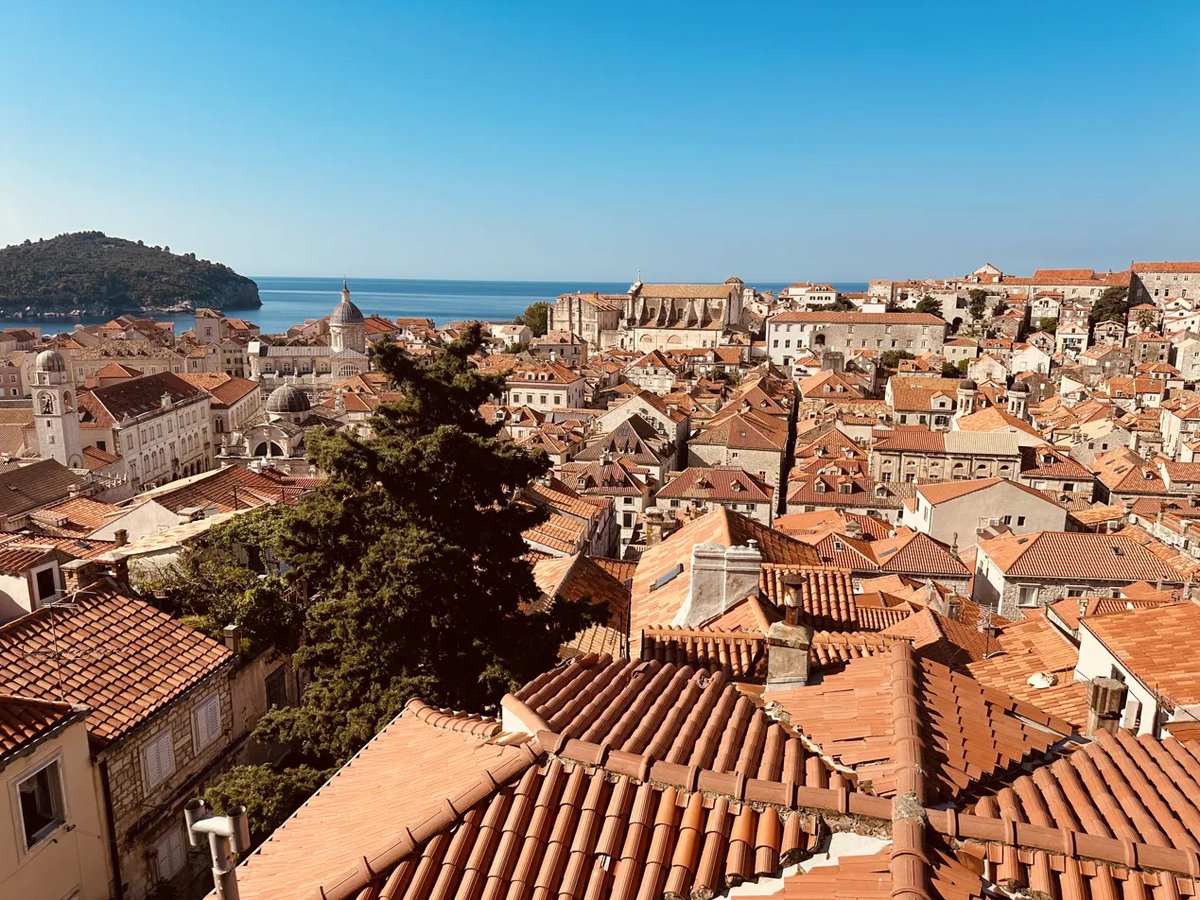
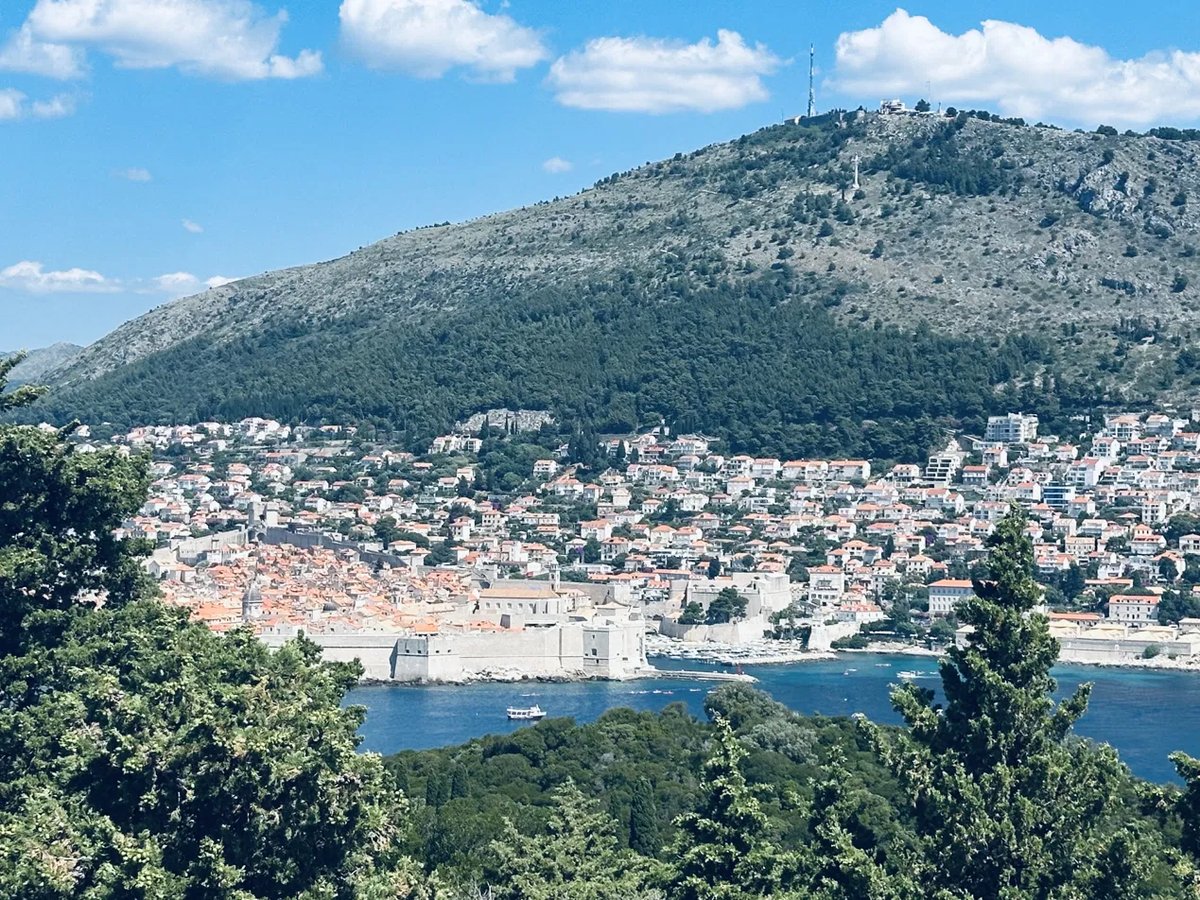
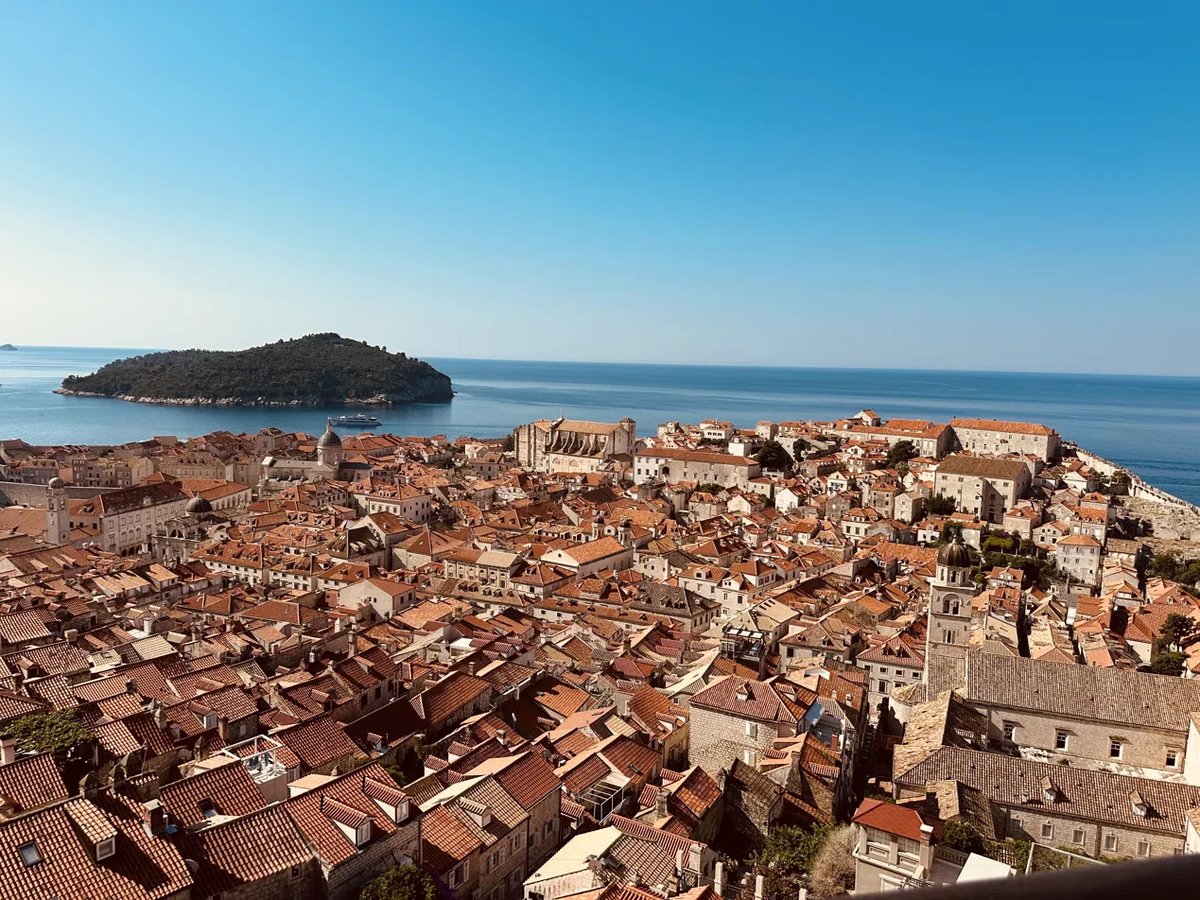
Another day, we started at the Pile Gate to beat the crowds, which paid off immediately, and walked the city walls properly: the full loop, orange rooftops on one side and open sea on the other, hot enough that we earned every step of it. These also happen to be the actual King’s Landing walls — we’re not exactly devotees of the show, but even we couldn’t miss it. The Maritime Museum along the way was a surprise hit with the boys, and we ended the Walls with a noon break for burek at Holy Burek and gelato at Peppino’s on the same street.
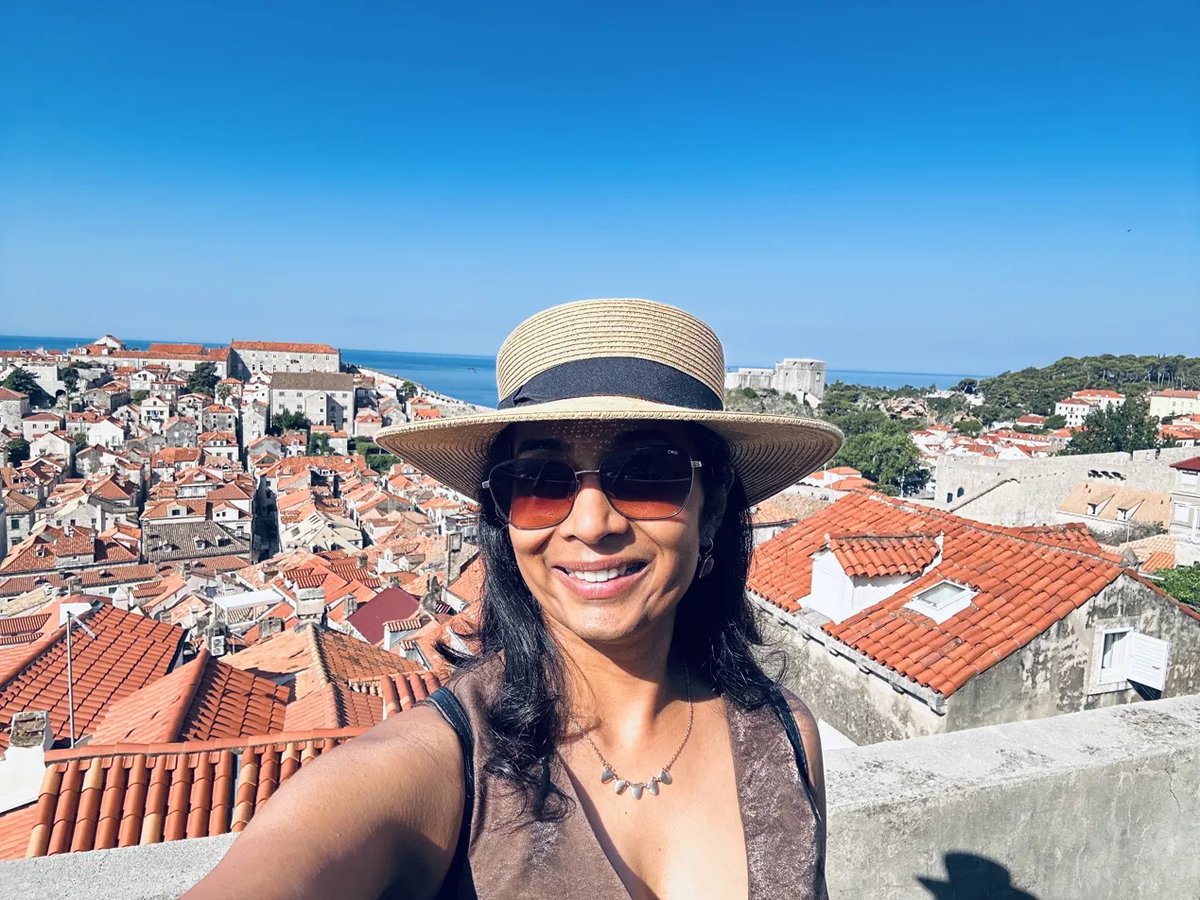
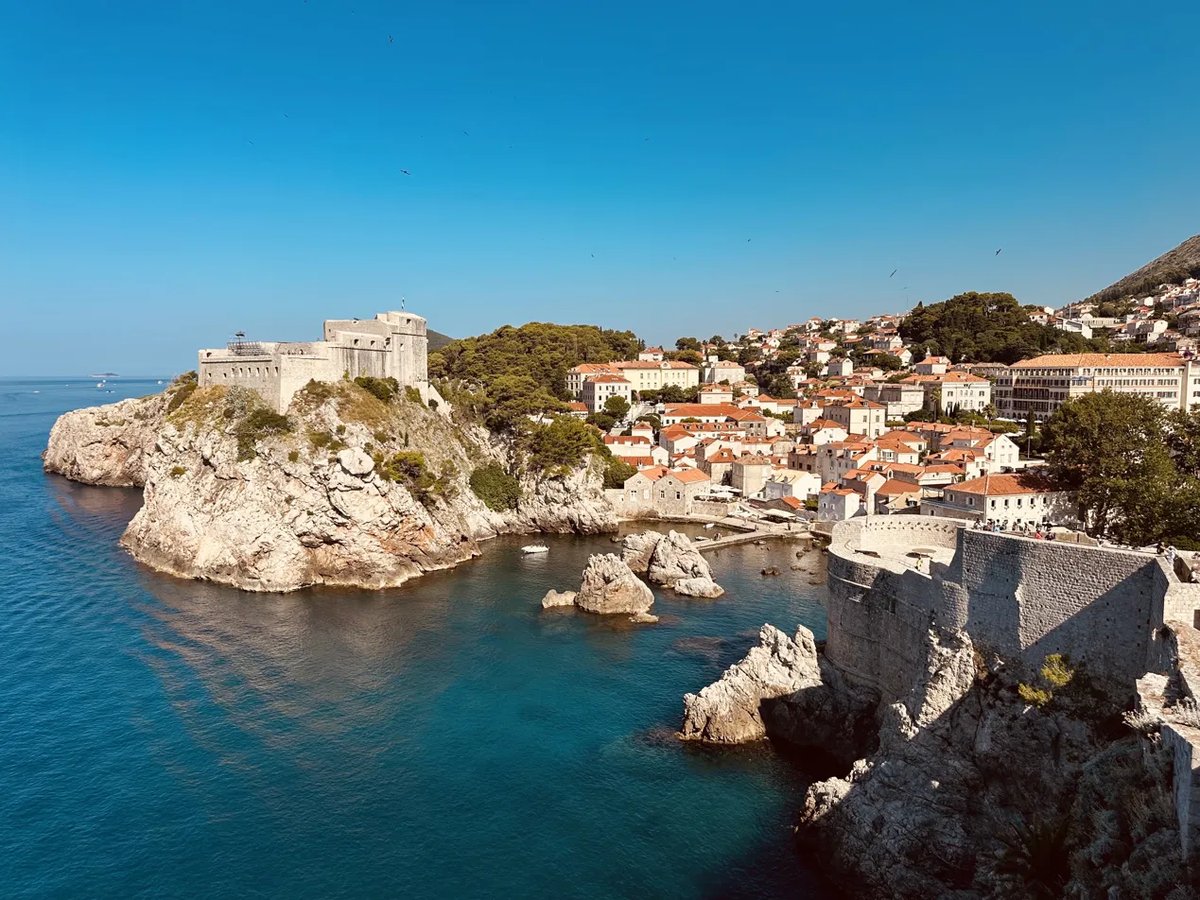
From up there, Lokrum looked like a different island than the one we’d hiked across days earlier. It was quiet enough, for a few minutes, to just stand and take it in.
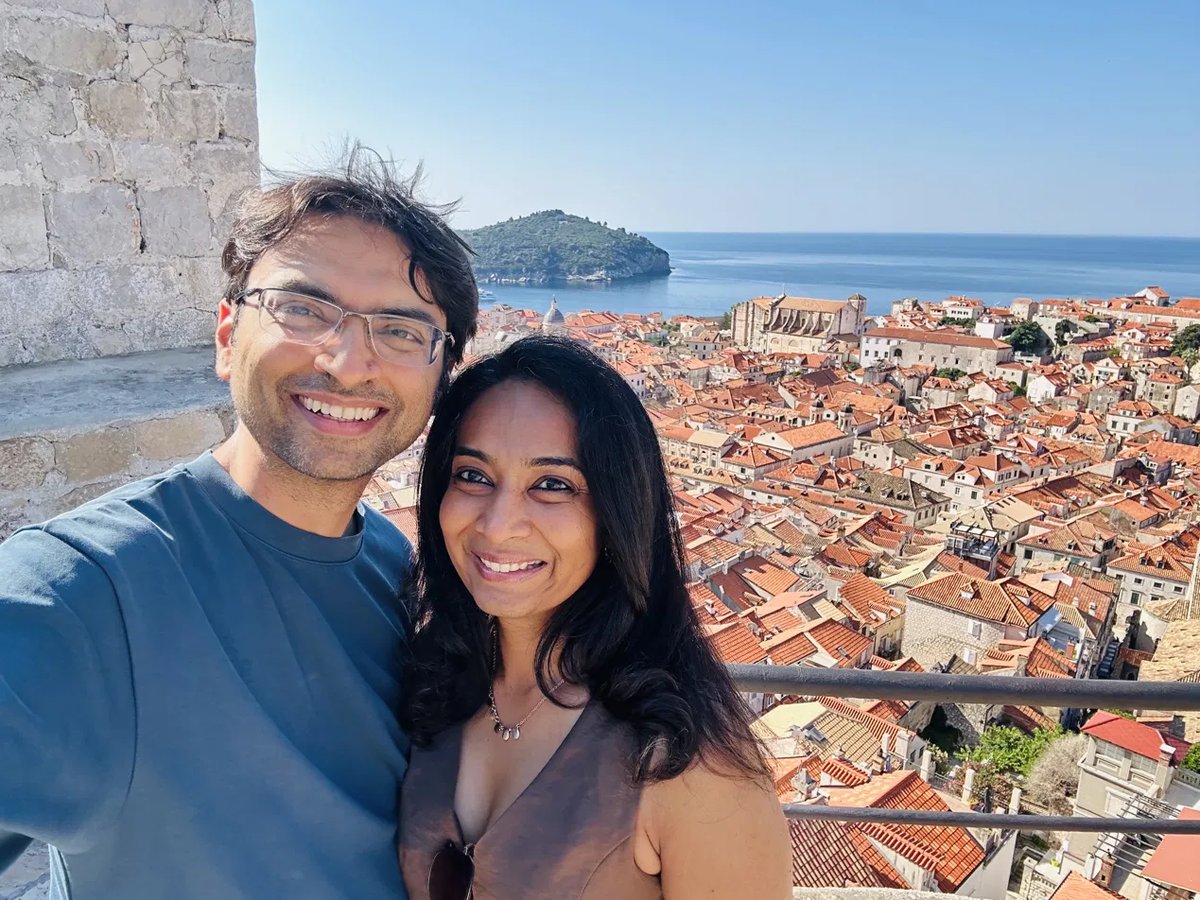
It happened to be Father’s Day, and the boys wanted to make something for Soam. He and I snuck out for a lunch date at Trattoria Carmen, only to come back to a full treasure hunt designed by Sahil and a “Love you, Dad” postcard drawn by Salil.
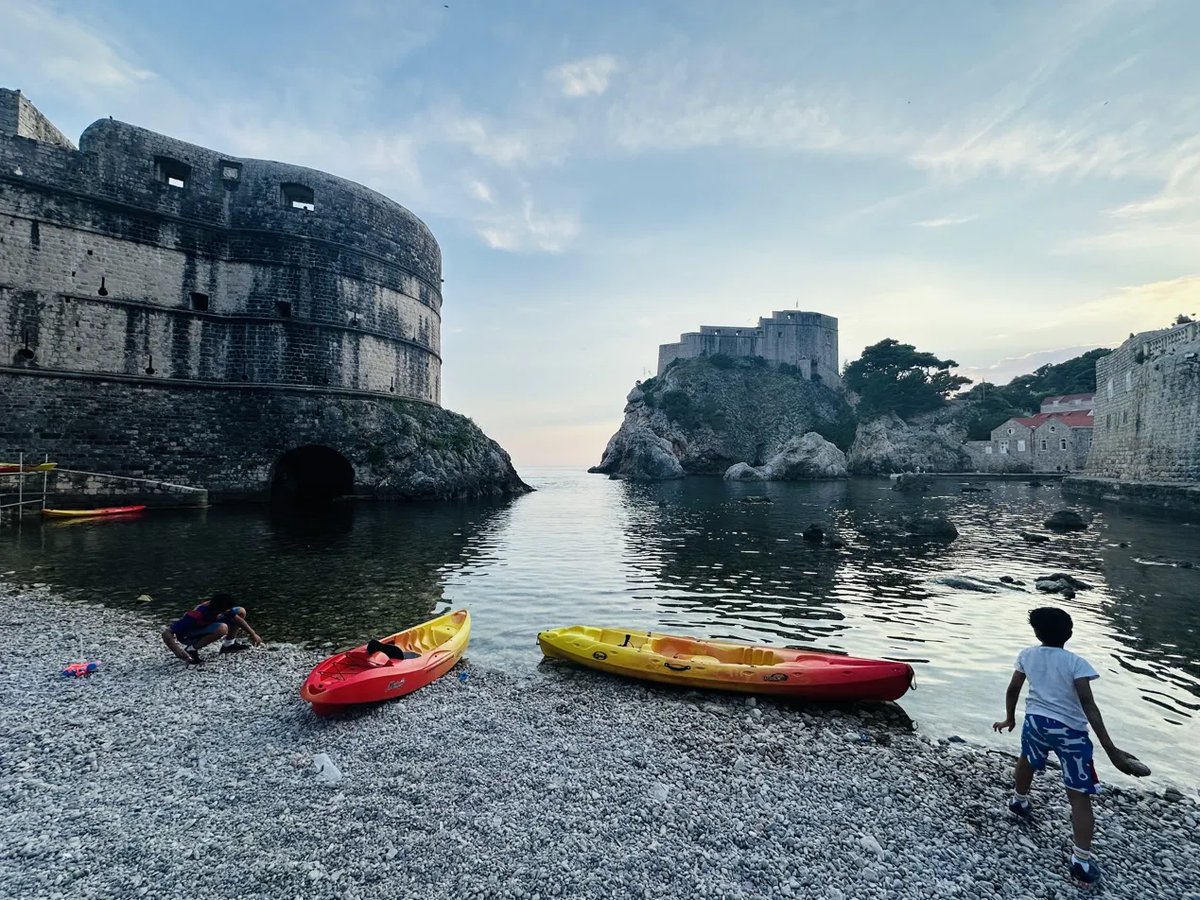
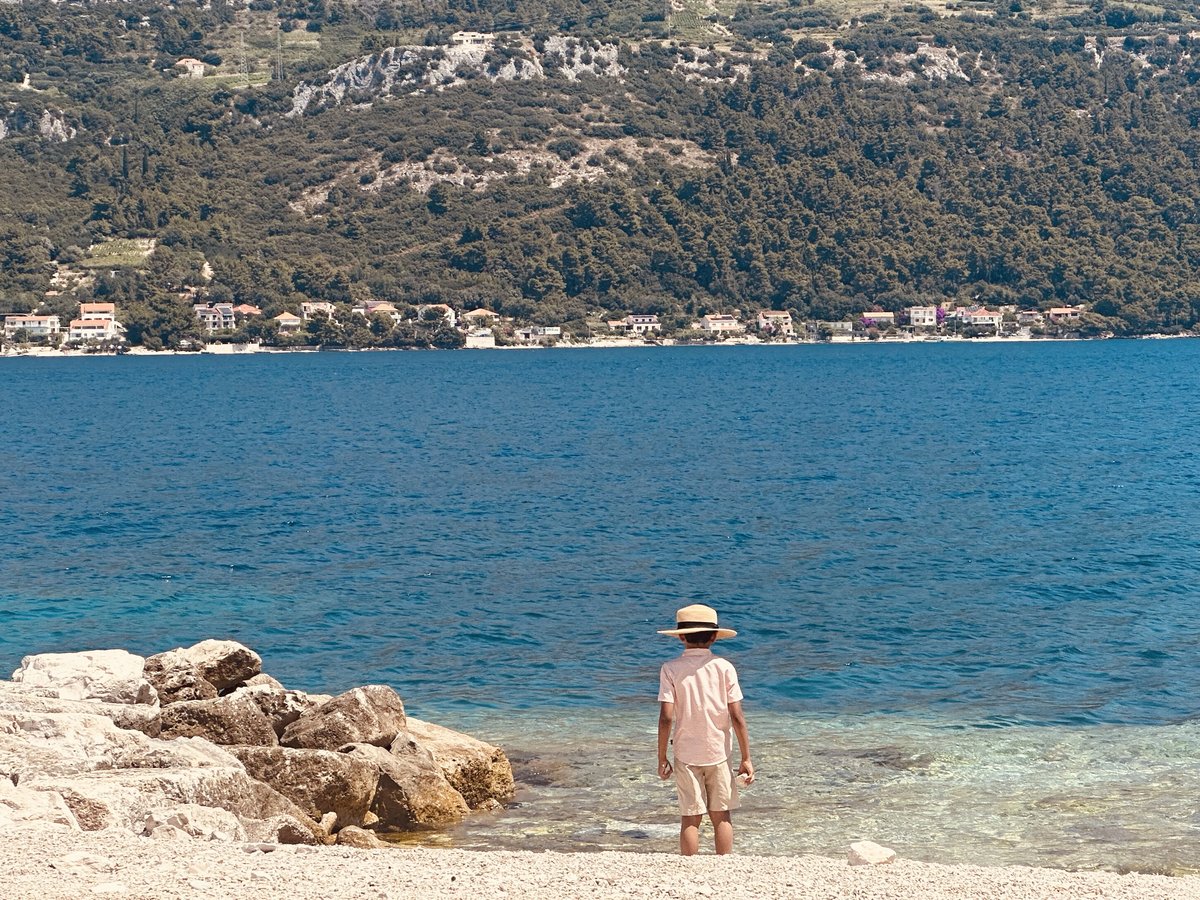
In the evening, we strolled around toward the main gate, spotted kayaks pulled over on a small pebble beach below the walls, and decided to slow down there — the boys skipped stones and competed for the longest skip.
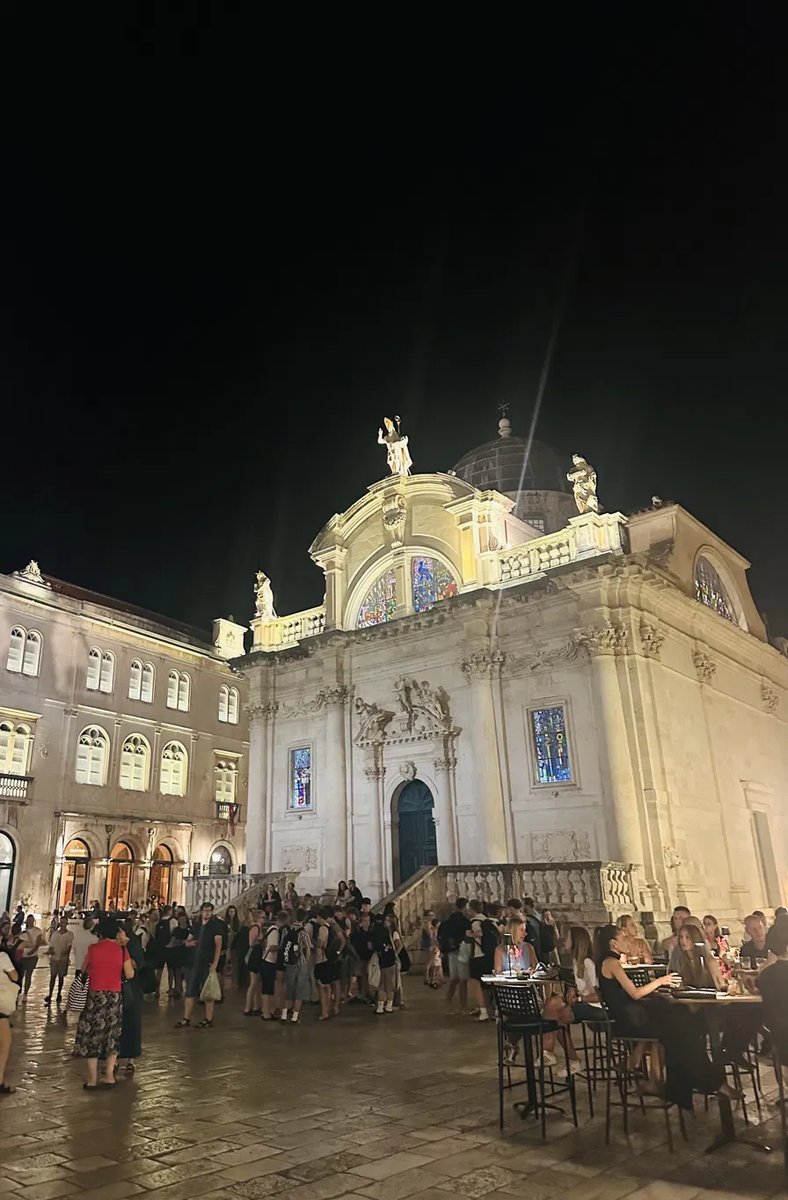
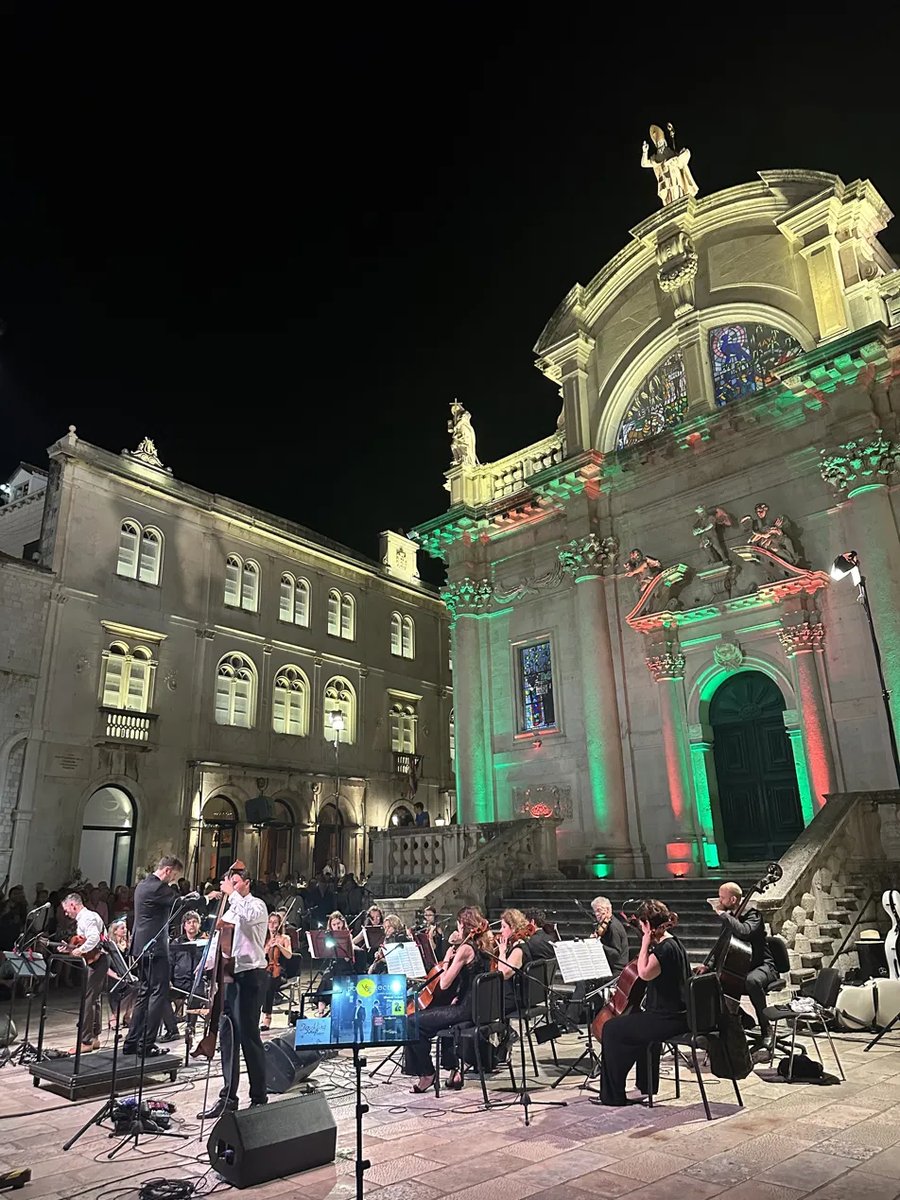
Later, back near St. Blaise’s, the lit-up Baroque facade was doing its own kind of showing off, crowds spilling across the square in front of it. We hadn’t planned on live music, but a string orchestra was set up right there under red and green stage lights, and we stood and listened longer than we meant to. The perfect close to our last night in Dubrovnik.
One Last Morning, Then Korčula
That last morning, before we left for Korčula, we finally made it to Fort Lovrijenac and the Rector’s Palace — a small armory collection of old suits of armor and ironwork that the boys found far more interesting than either of us predicted, plus an astronomical clock that got studied for a good while longer than the average museum placard usually earns.
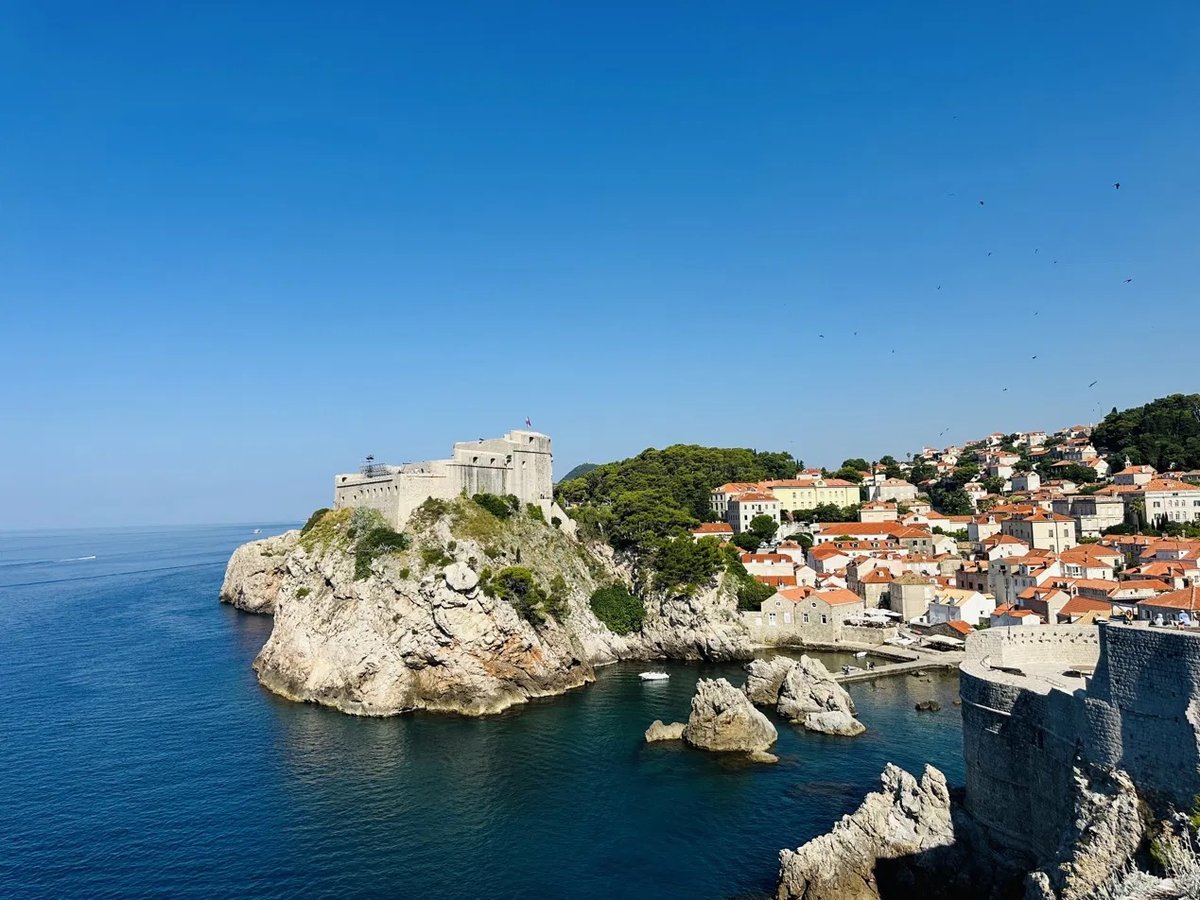
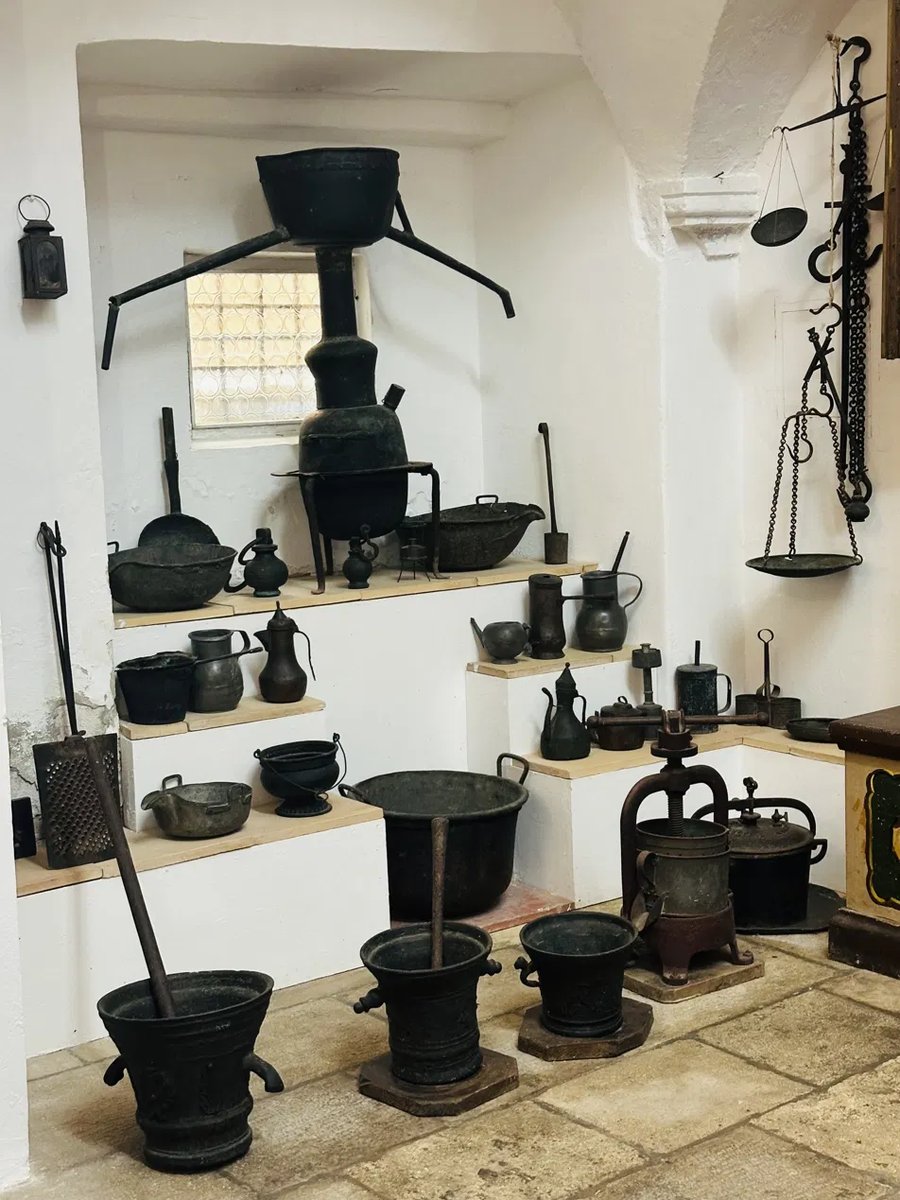
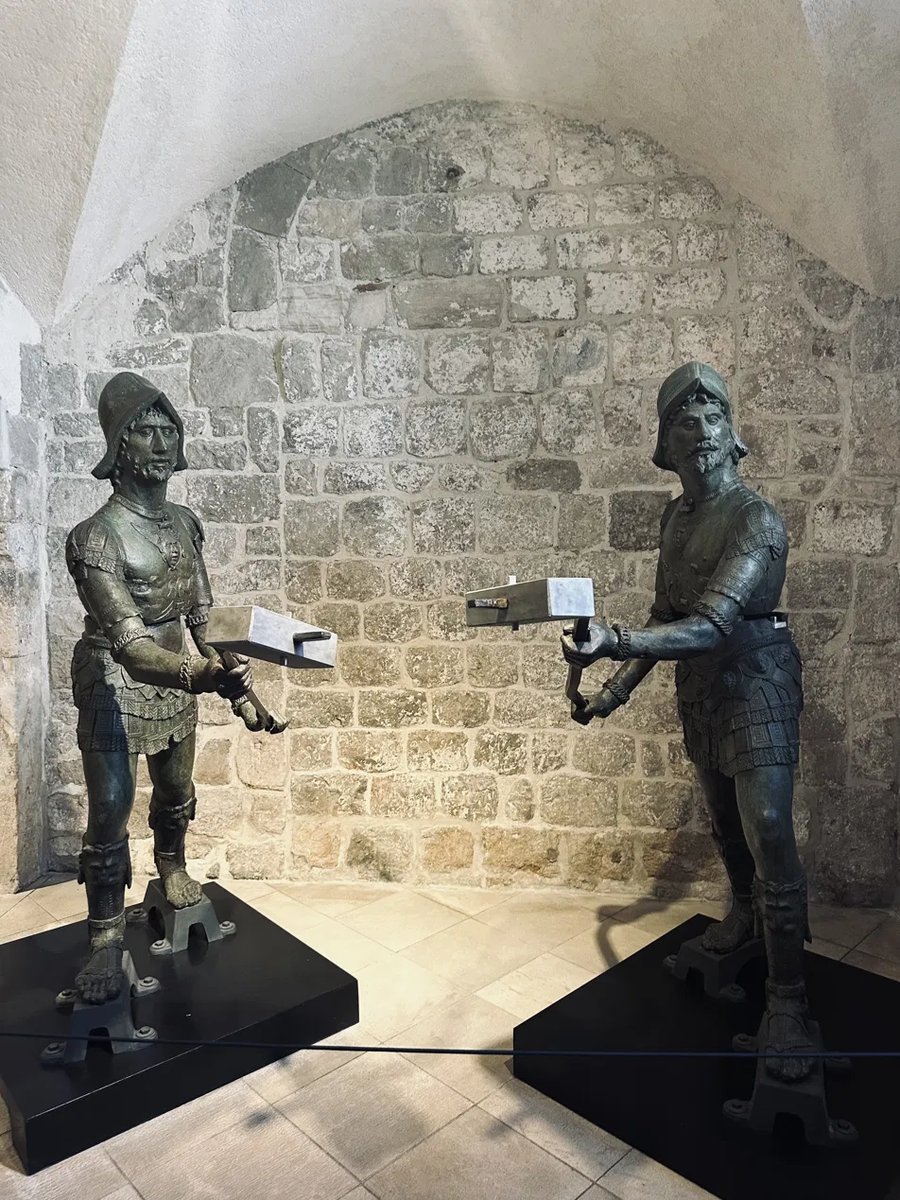
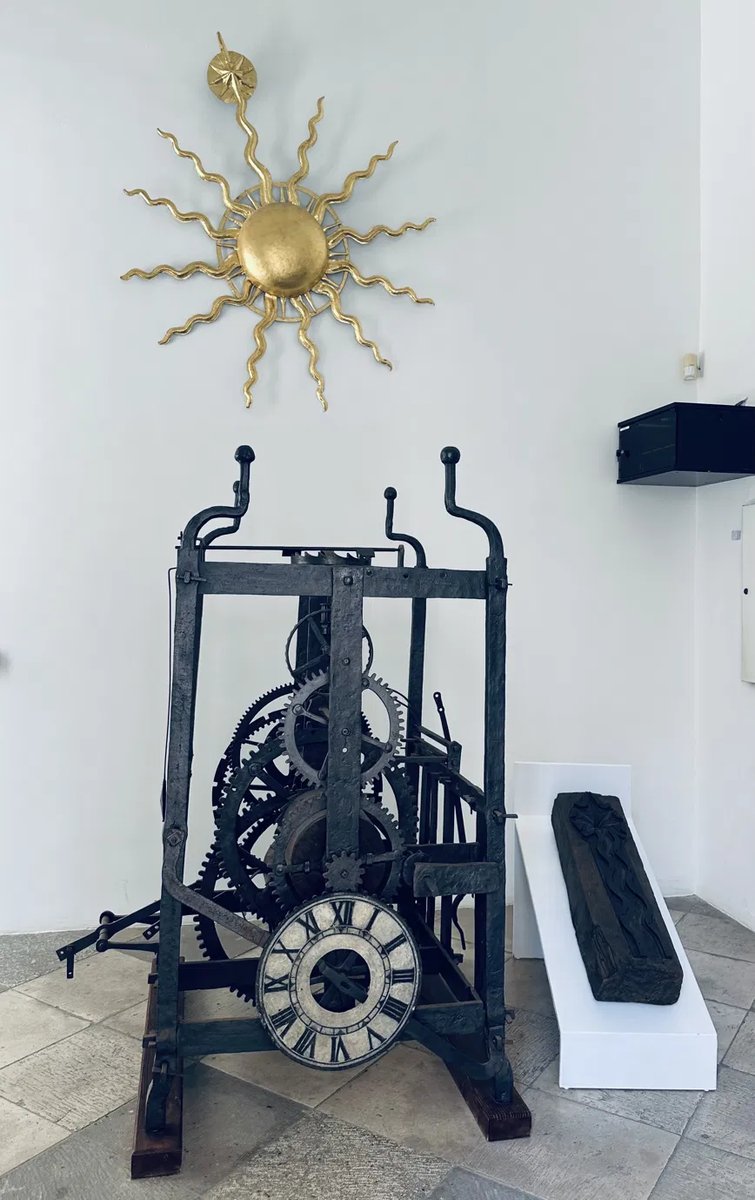
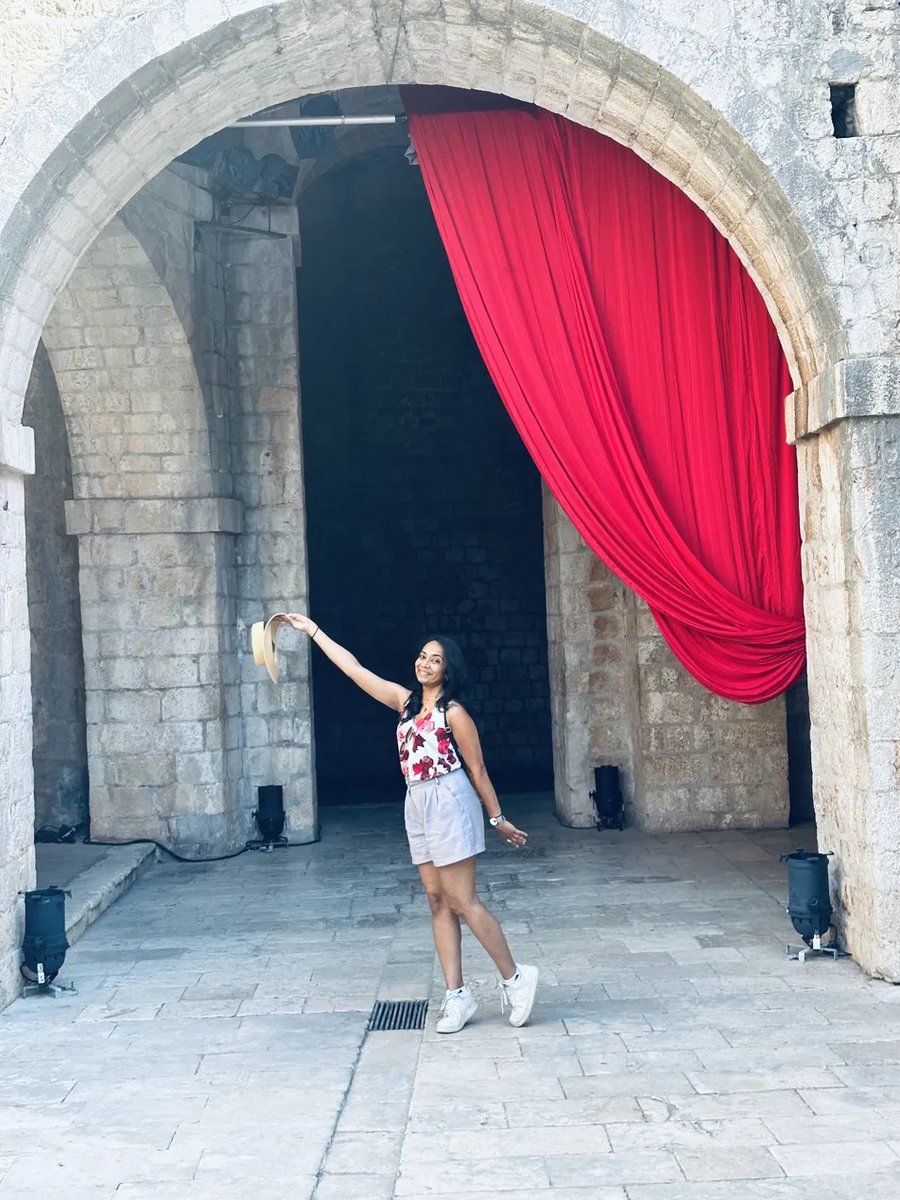
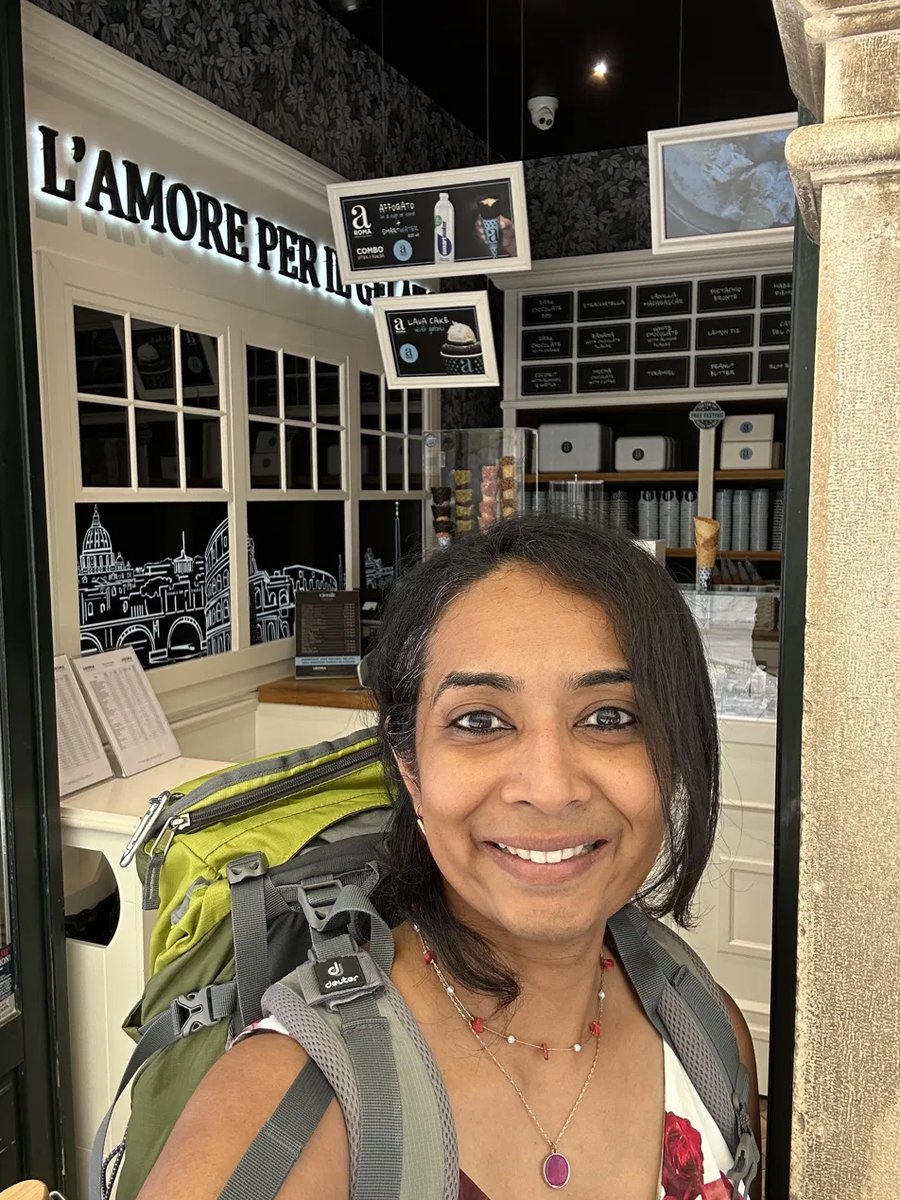
There was also a red-curtained archway — a dramatic photo-op that the whimsy in me couldn’t resist — and we cooled down with one last gelato at Amore before saying goodbye to Dubrovnik.
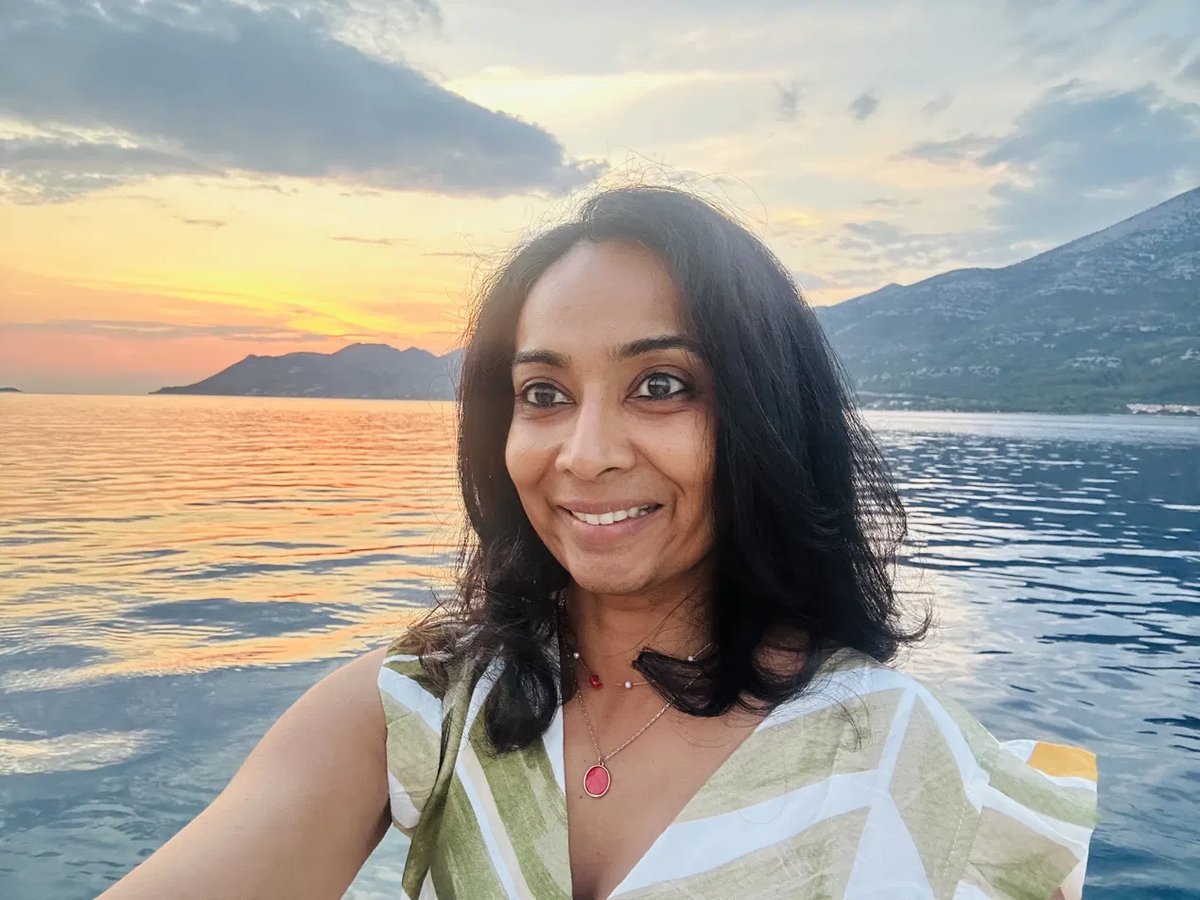
We left for the ferry crossing around noon. The crossing itself asked to be savored: flat water, a soft late-afternoon light, and the kind of quiet that a car full of kids doesn’t often produce voluntarily.
Korčula: Wine, a Sword Dance, and a Beach at Golden Hour
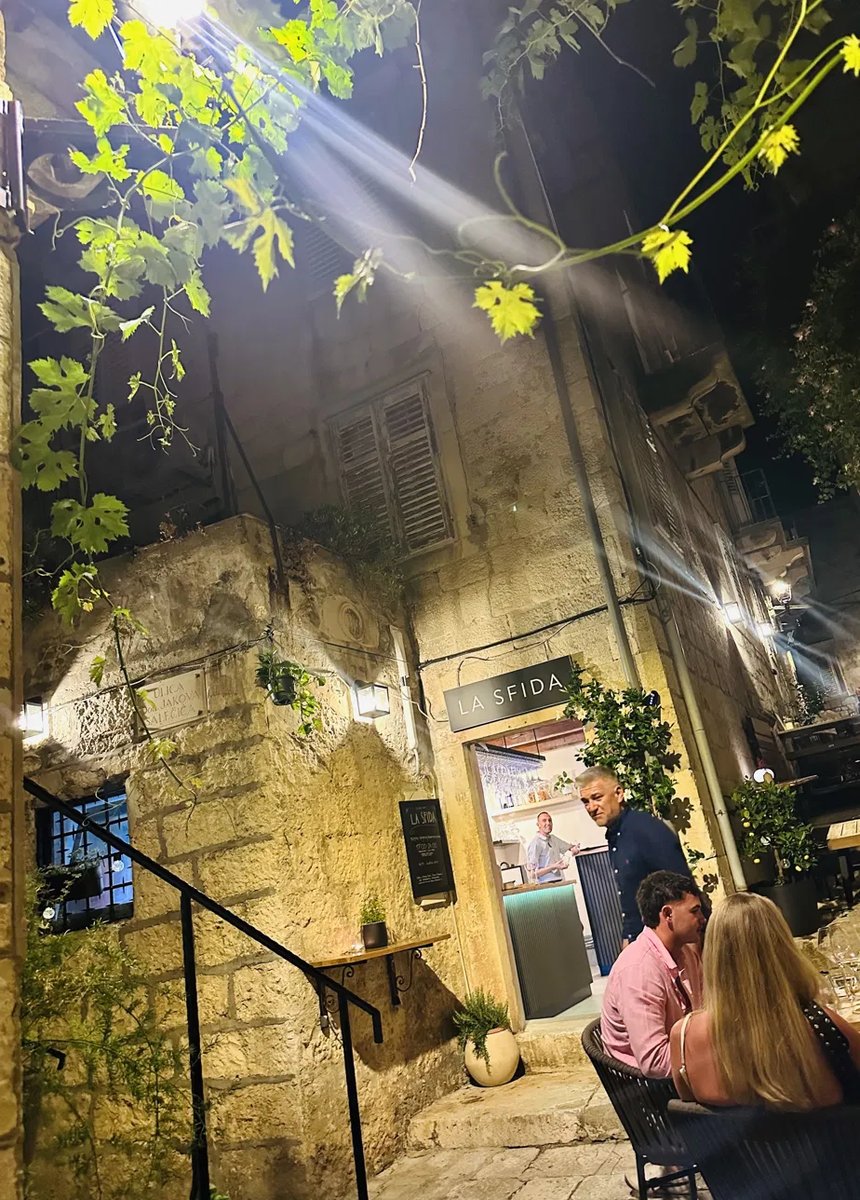
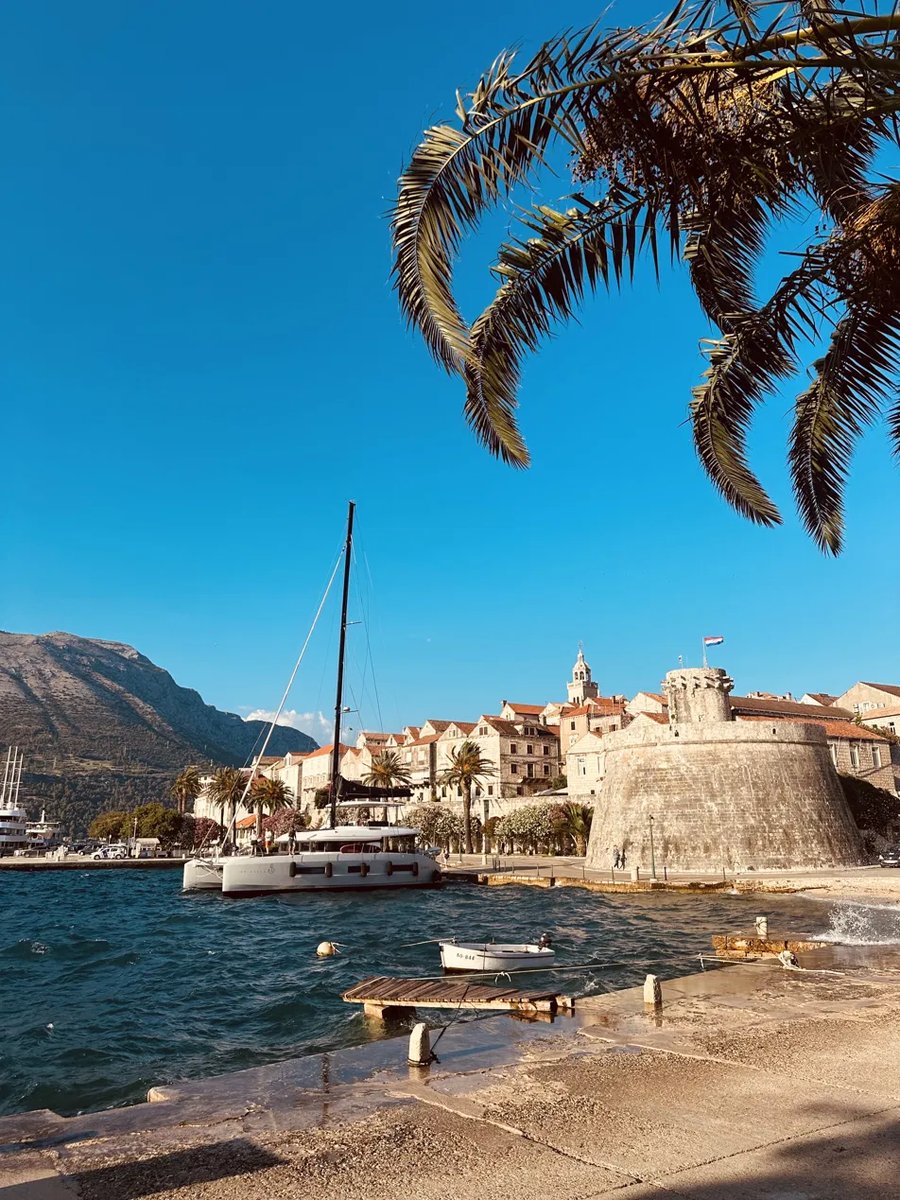
Korčula, Marco Polo’s reputed birthplace, turned out to be a town that deserves a lot more attention than it usually gets. We settled in that first night with dinner at La Sfida, a small bistro that had opened just a week earlier. The sommelier introduced us to Grk — a white wine grape grown only on Korčula, thanks to particular land and sea conditions found nowhere else — and we loved it enough that it ended up shaping the next two days.
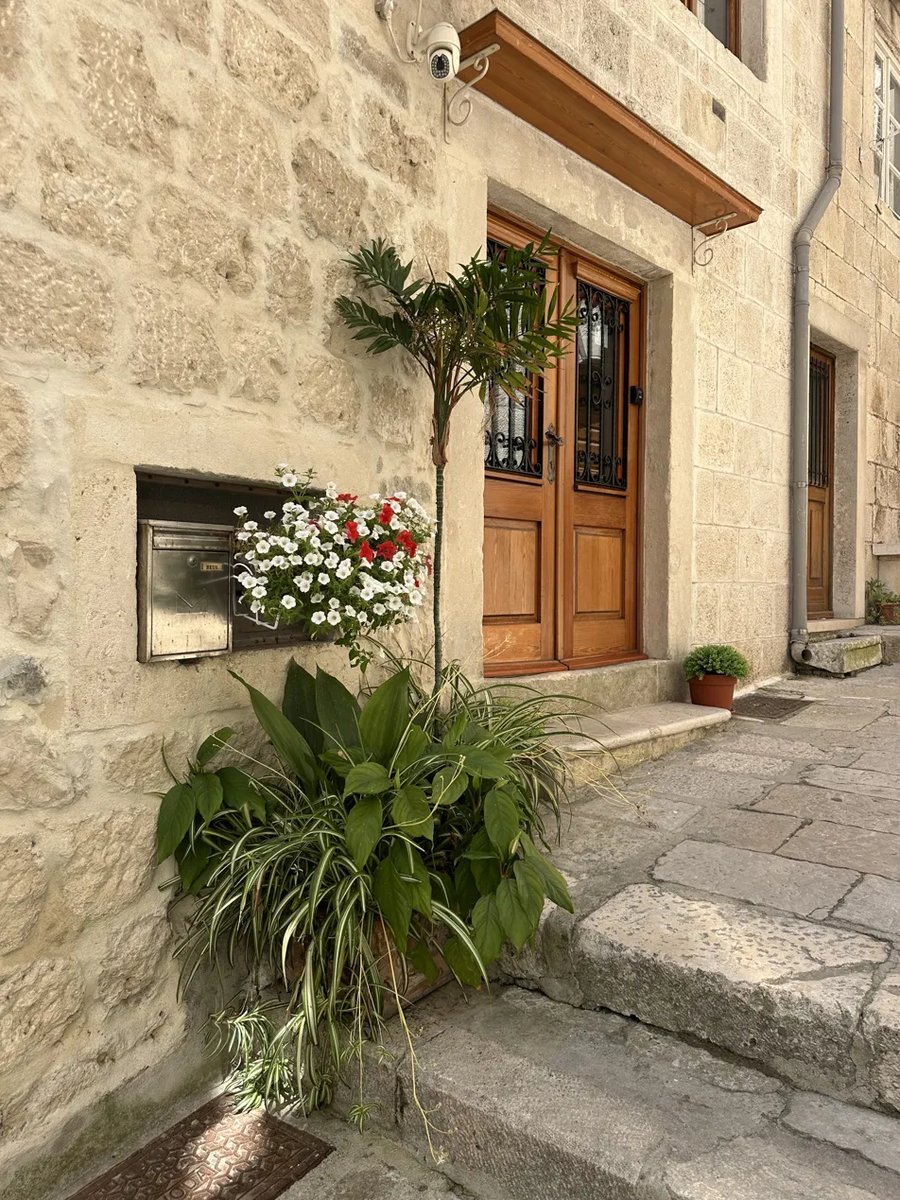
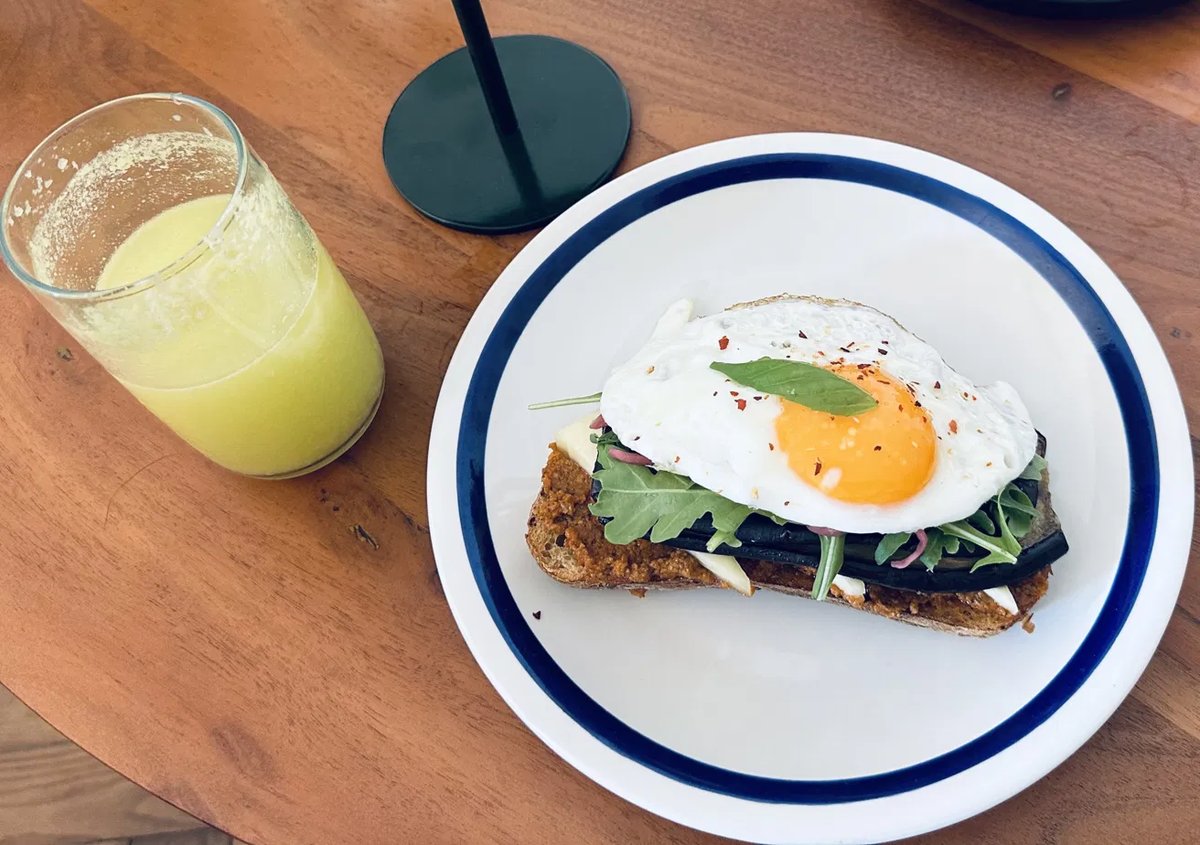
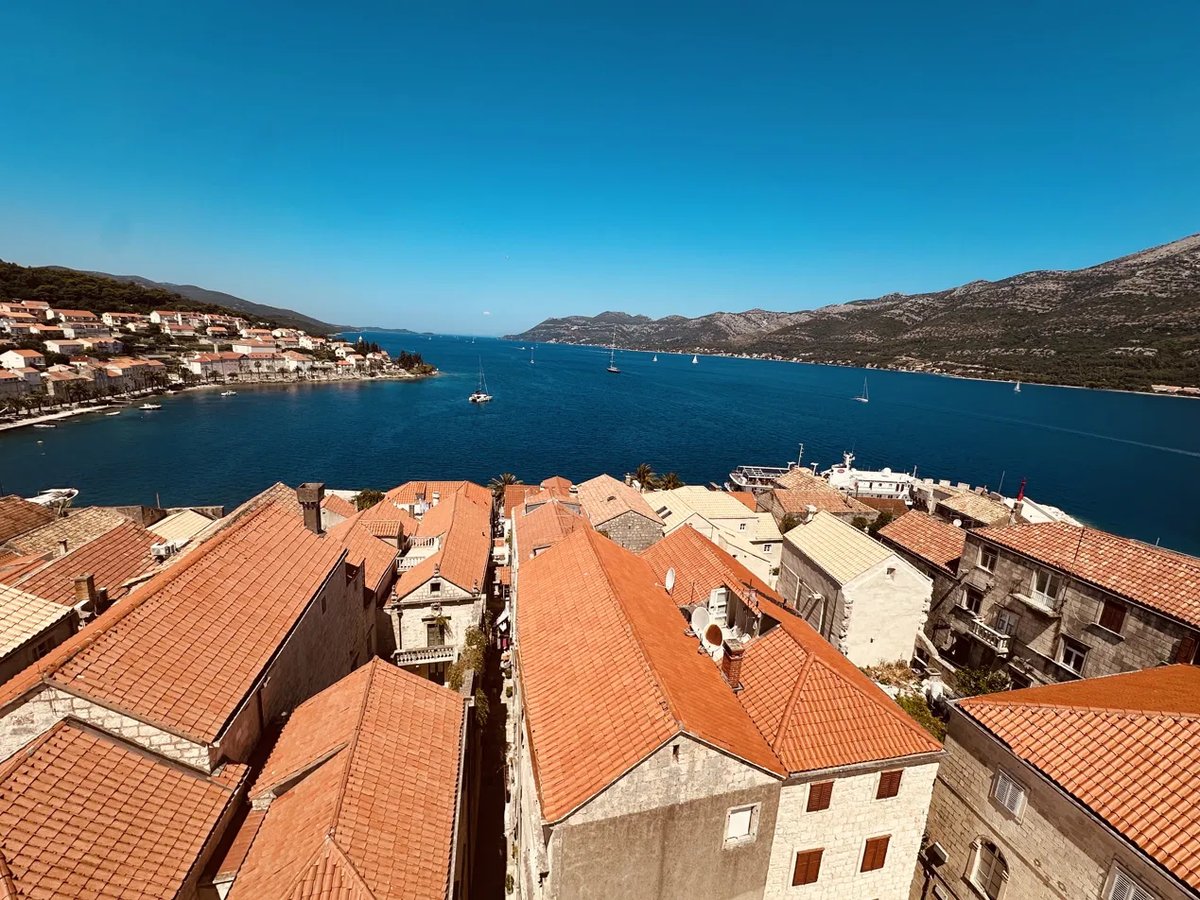
The next morning started with breakfast at Čiz Pliz — fresh juice, a virtuous little detox moment, eggs on toast — before we climbed the cathedral belfry for the view: rooftops, the narrow channel toward the mainland, a scatter of sailboats, without much competition the best vantage point of the whole stop.
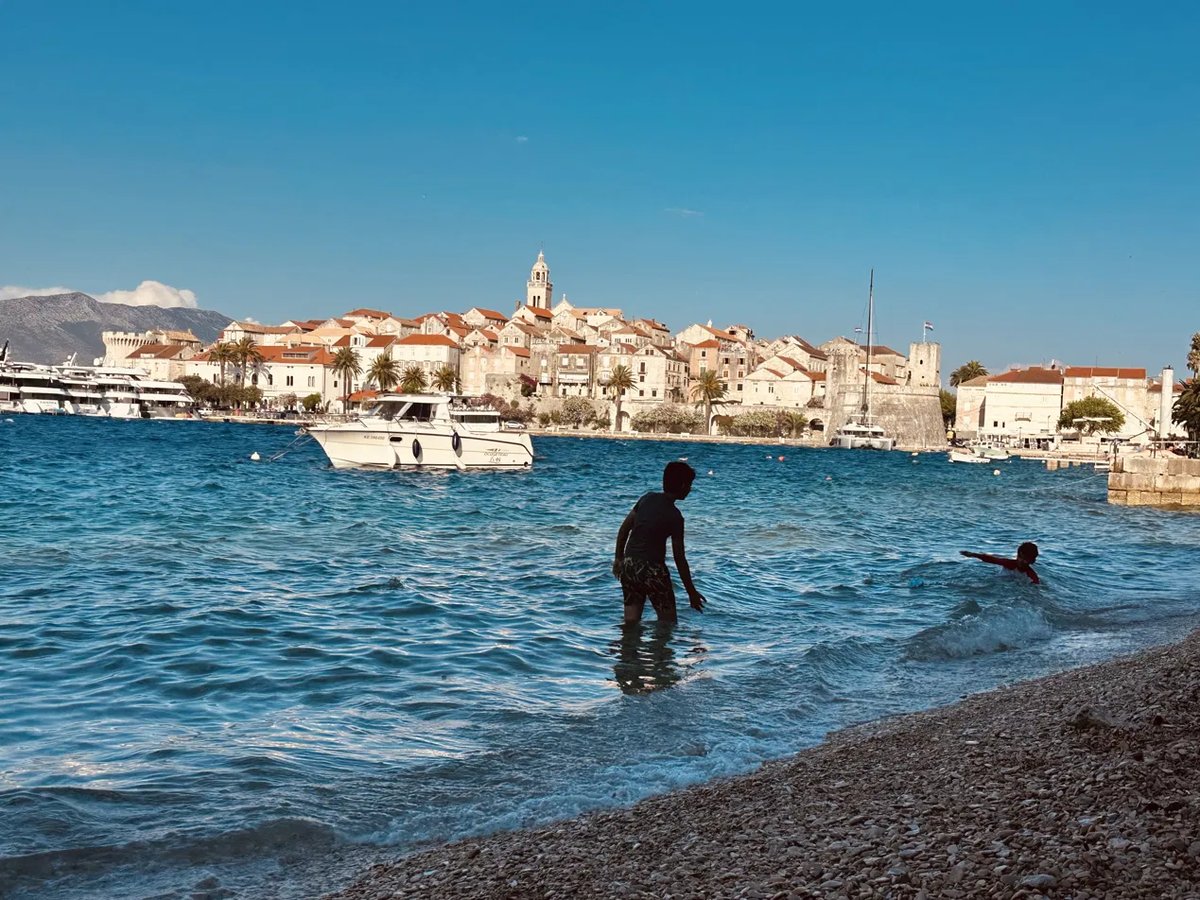
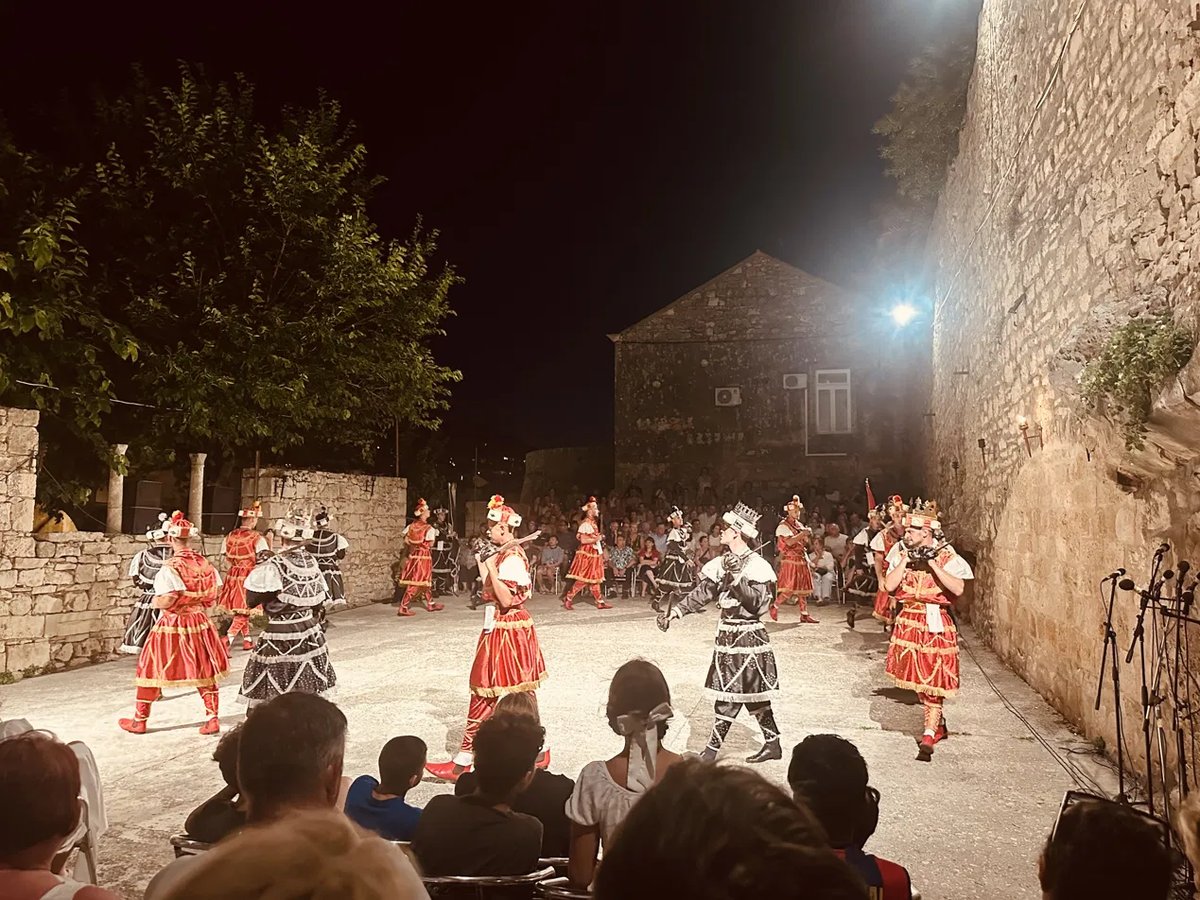
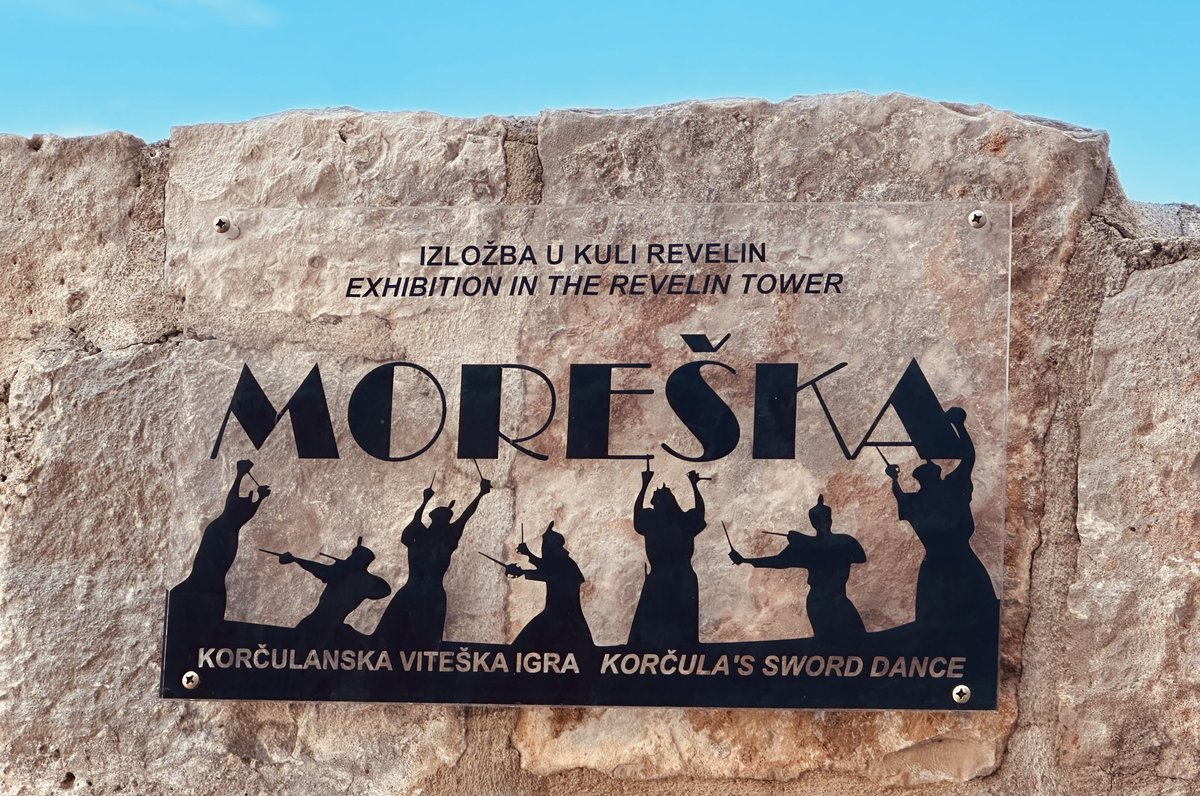
That evening we wandered down to the beach closest to the Old Town and just played ball in the water until the light started to go, then had dinner at Biancula, where Salil got fully absorbed watching — then attempting — how to fillet a whole fish table-side. After dinner, the Moreška: a centuries-old sword dance performed in a floodlit courtyard in the Revelin Tower, red-costumed dancers clashing blades in choreography that’s been passed down for generations. The boys were transfixed.
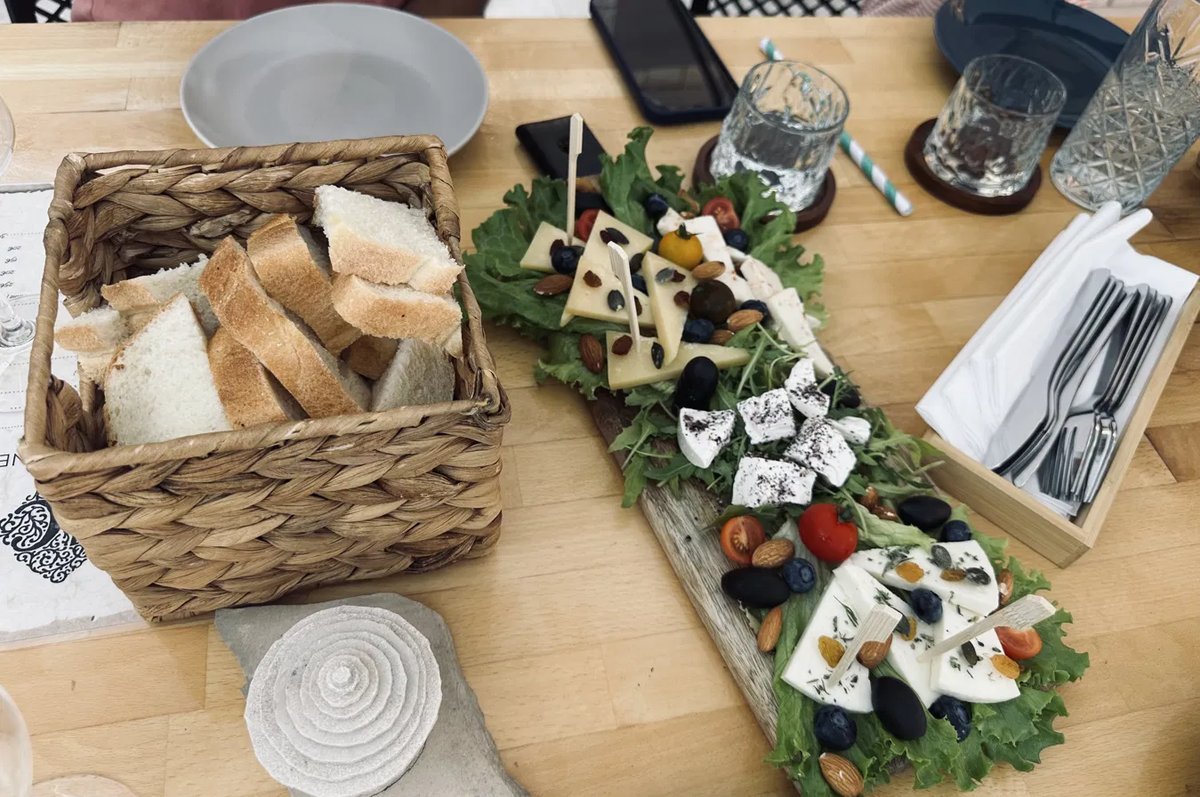
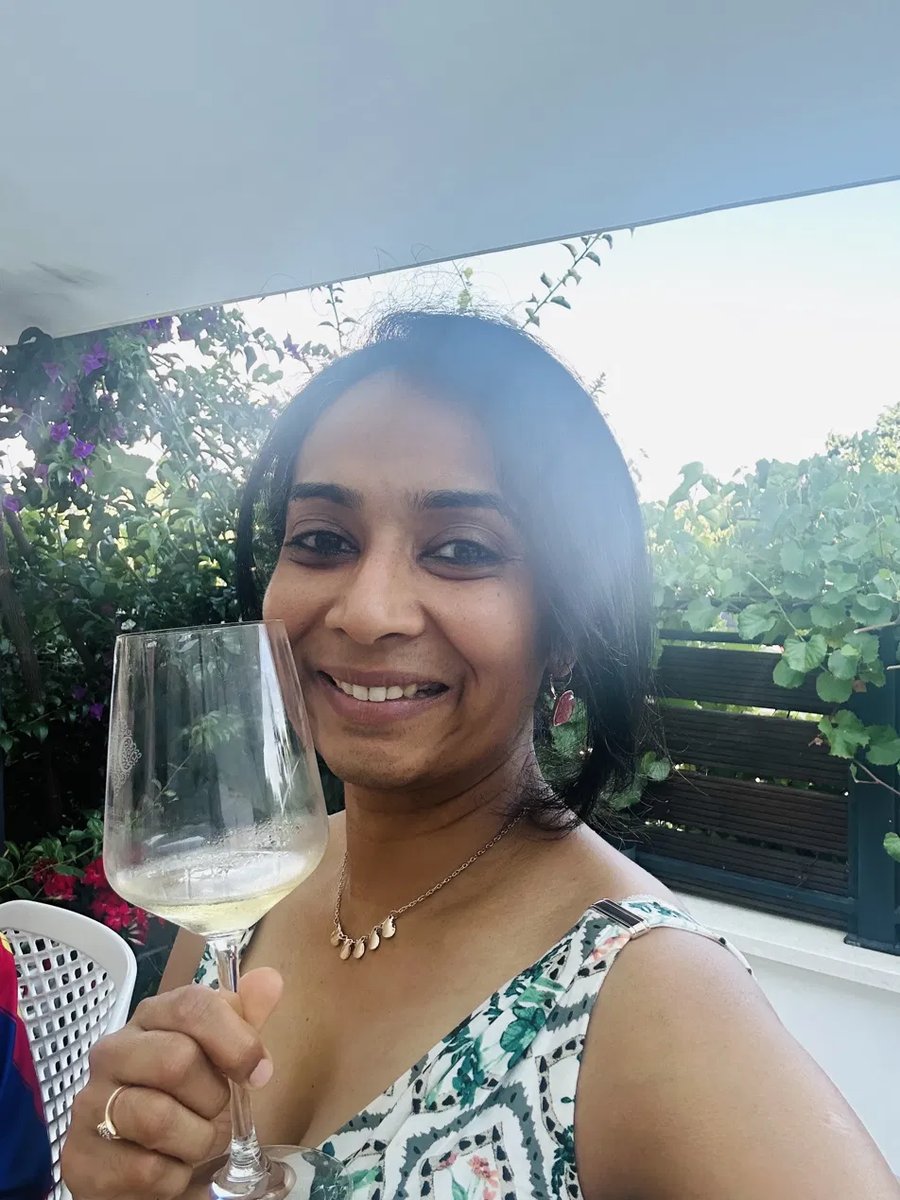
The Grk from La Sfida sent us looking for more the next afternoon. Sabulum winery outside town turned into a magical evening we couldn’t have planned any better — a view that held our attention long past sunset, and a cheese platter substantial enough that even the least cheese-enthusiastic member of the family came back for seconds, plus a couple of bottles of Zure’s Grk to bring home since we’d liked it so much.
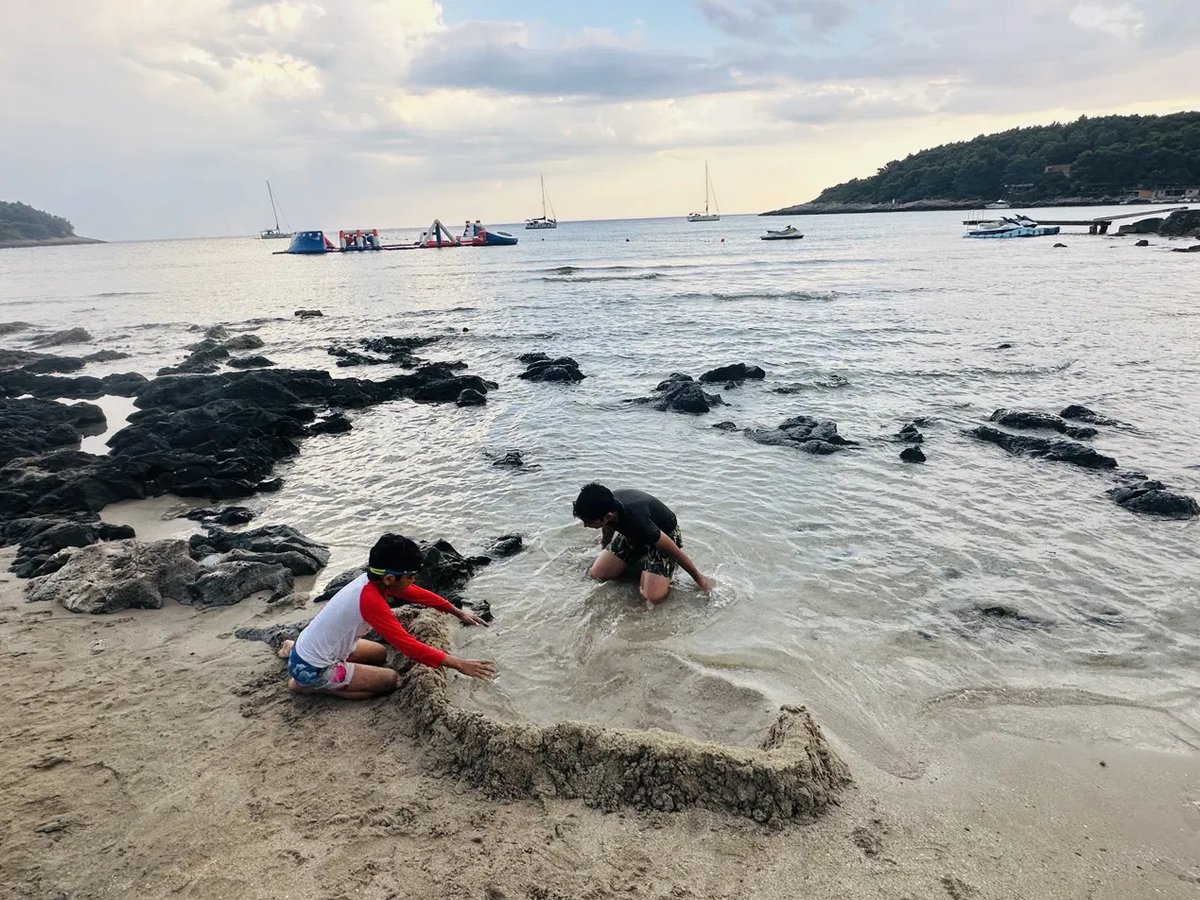
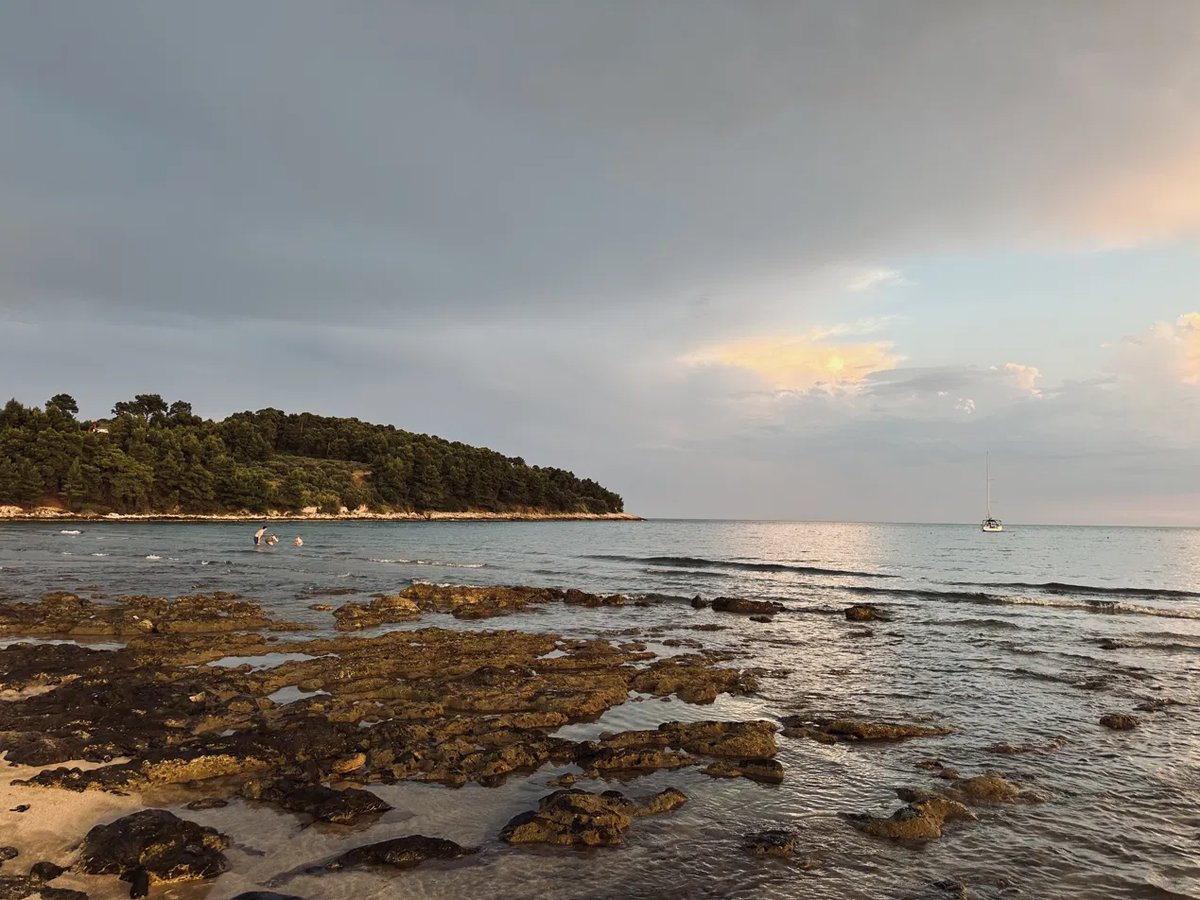
We went to Pržina beach after — rocky shoreline, a moody pink sky, and the boys building sand reservoirs with total focus until the light finally gave out.
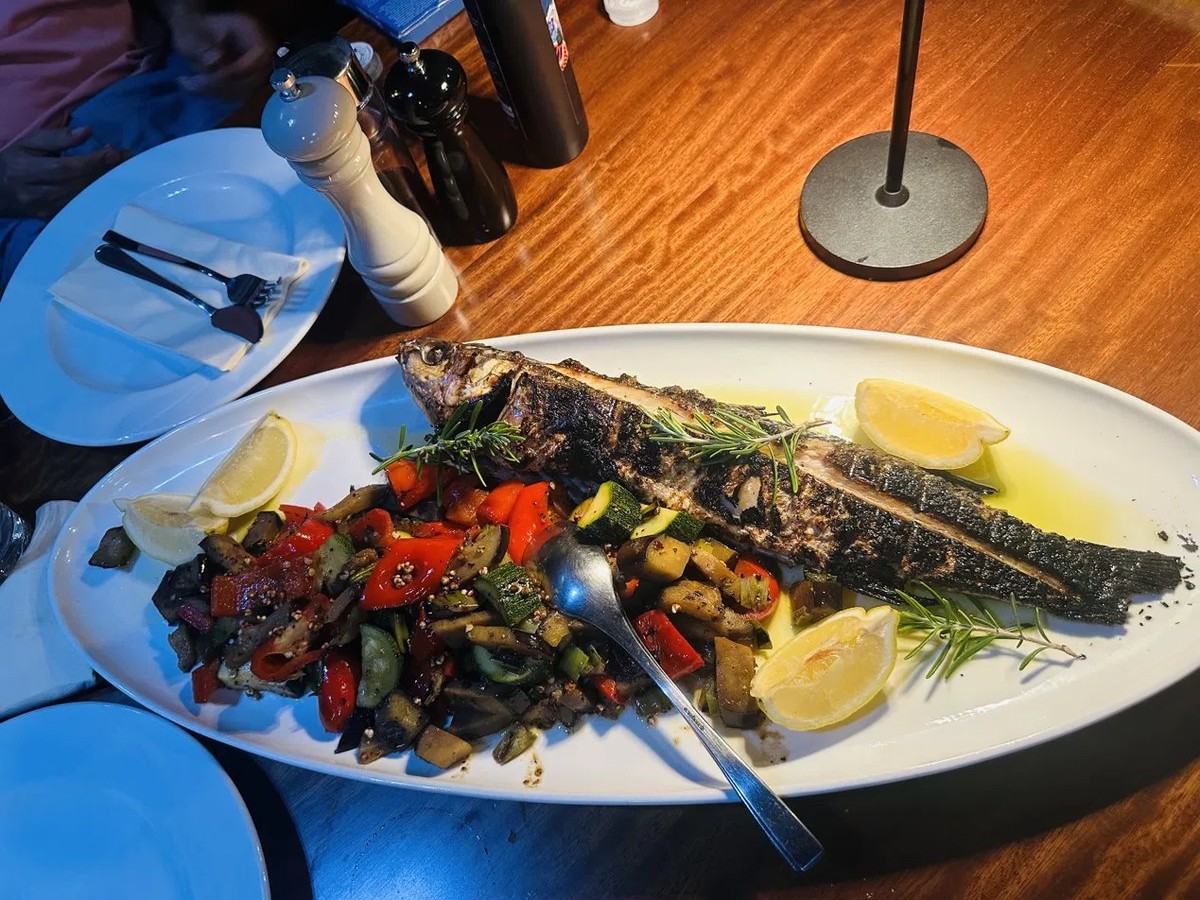
Dinner after was fish, simply done, at Zure vineyard: the kind of meal that tastes better for having spent the whole day outside.
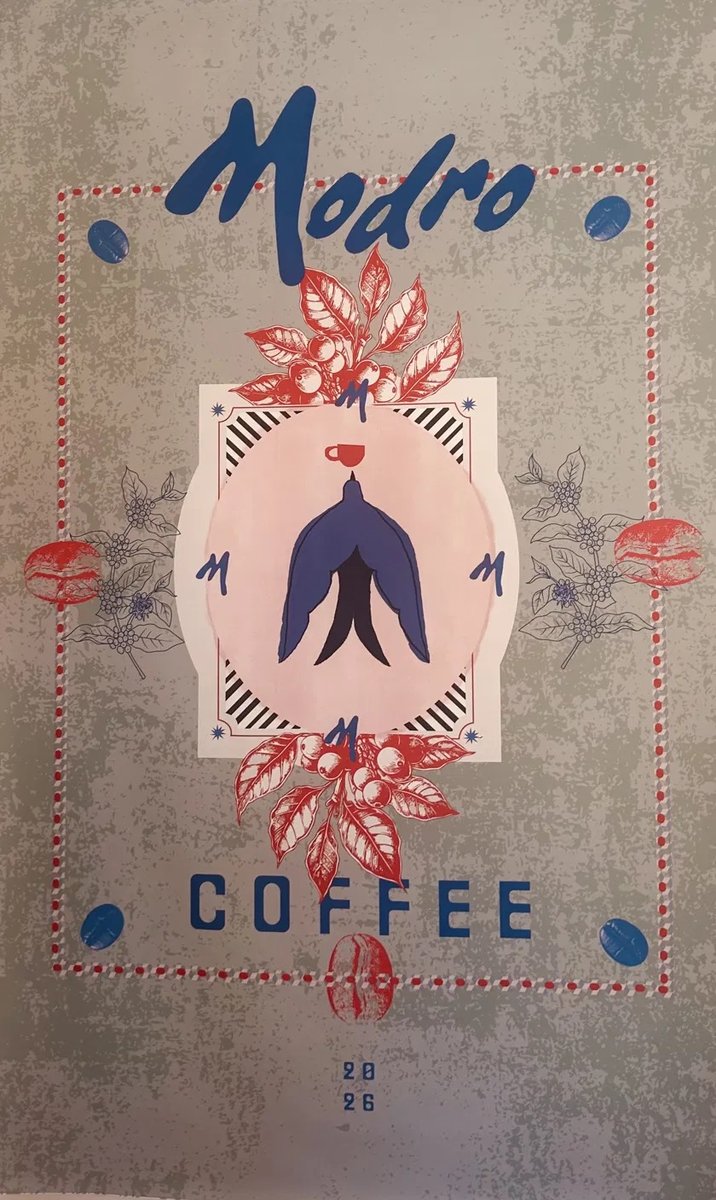
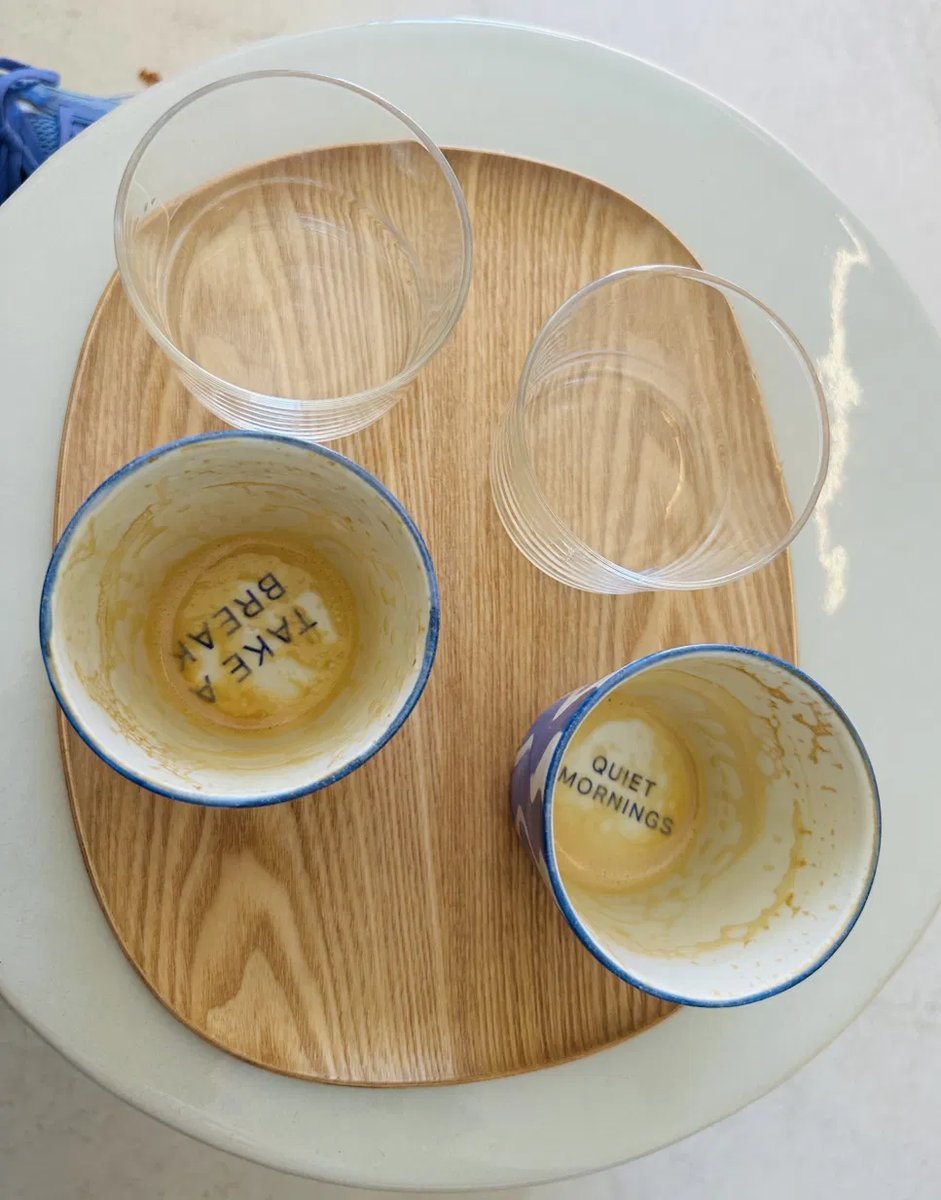
Our last morning: coffee at Modro, itself only a week old, before checkout and the ferry out to the mainland and Split.
That’s Dubrovnik and Korčula — the coastal half. Part 2 turns inland to Plitvice, a quick stop in Trogir, and back to Split for the rest of the trip. Continue to Part 2 →